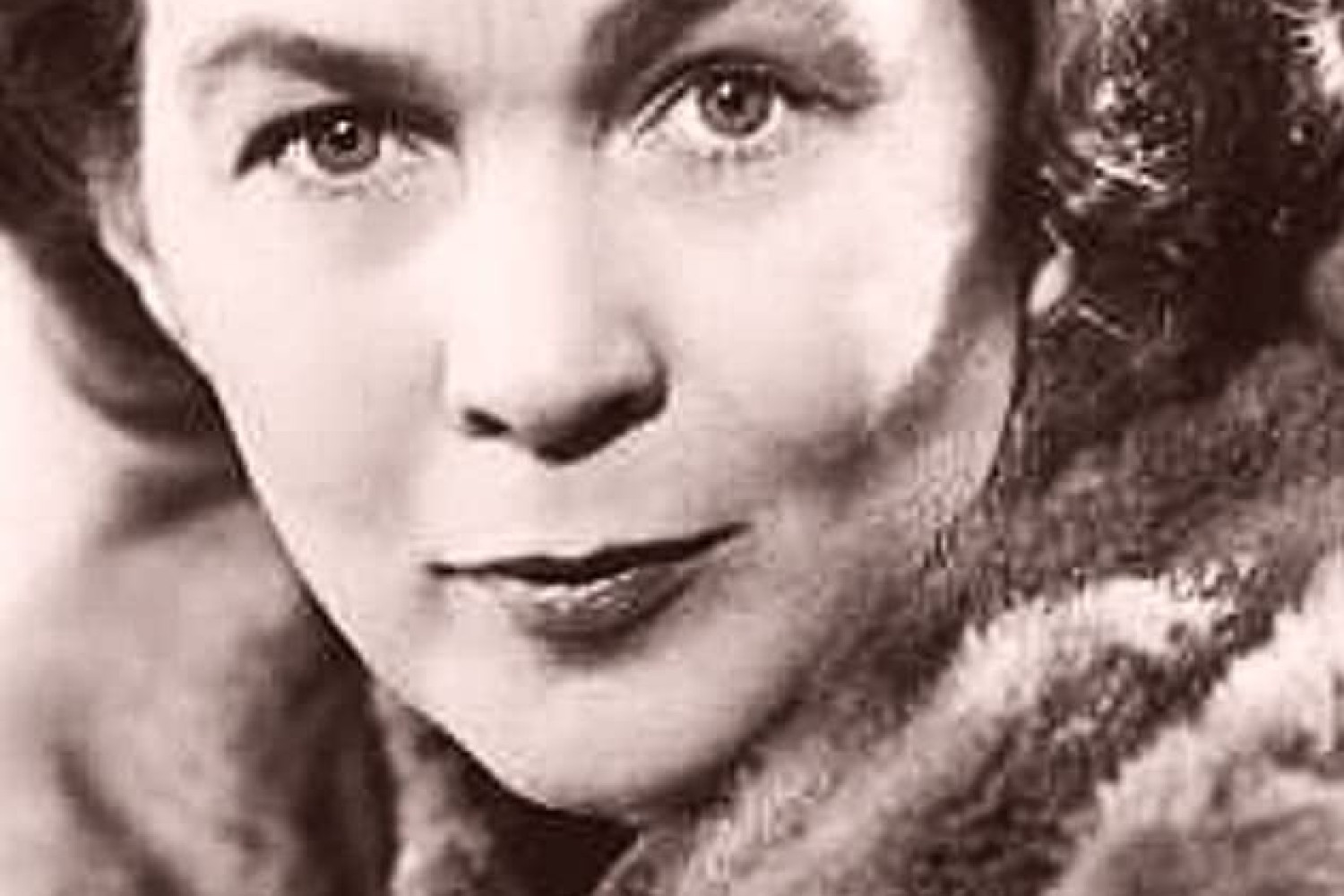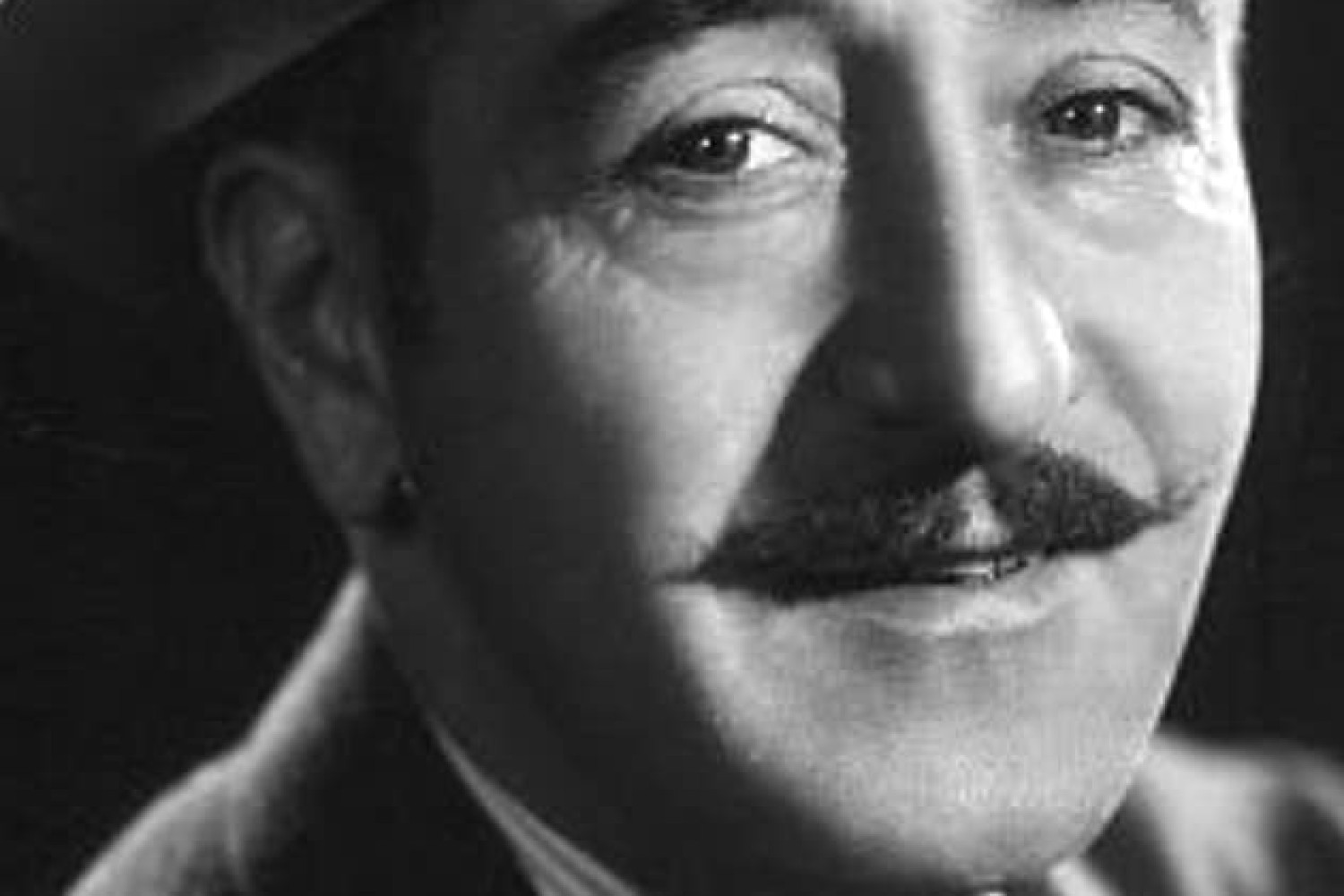
Akim Tamiroff

Akim Mikhailovich Tamiroff, Tiflis, Russian Empire was a Russian actor. He won the first Golden Globe Award for Best Supporting Actor. He was born of Armenian ethnicity, trained at the Moscow Art Theatre drama school. He arrived in the US in 1923 on a tour with a troupe of actors and decided to stay. Tamiroff managed to develop a career in Hollywood despite his thick Russian accent.

Tamiroff’s film debut came in 1932 in an uncredited role in Okay, America!. He performed in several more uncredited roles until 1935, when he co-starred in The Lives of a Bengal Lancer. The following year, he was cast in the title role in The General Died at Dawn, for which he was nominated for the Academy Award for Best Supporting Actor. He appeared in the 1937 musical High, Wide, and Handsome and the 1938 proto-noir Dangerous to Know opposite Anna May Wong, frequently singled out as his best role.

In the following decade, he appeared in such films as The Buccaneer, The Great McGinty, The Corsican Brothers, Tortilla Flat, Five Graves to Cairo, His Butler’s Sister, For Whom the Bell Tolls, for which he received another Oscar nomination, and The Miracle of Morgan’s Creek. In later years, Tamiroff appeared in Ocean’s Eleven, Topkapi and had a long collaboration with Orson Welles including Touch of Evil, Mr Arkadin, The Trial and Welles unfinished version of Don Quixote where he played Sancho Panza.

While Tamiroff may not be a household name now, his malapropistic performance as the boss in The Great McGinty inspired the cartoon character Boris Badenov, the male half of the villainous husband-and-wife team Boris and Natasha on The Rocky and Bullwinkle Show. He was also spoofed in a 1969 episode of the TV show H.R. Pufnstuf entitled “The Stand-in” in which a frog named “Akim Toadanoff” directs a movie on Living Island.
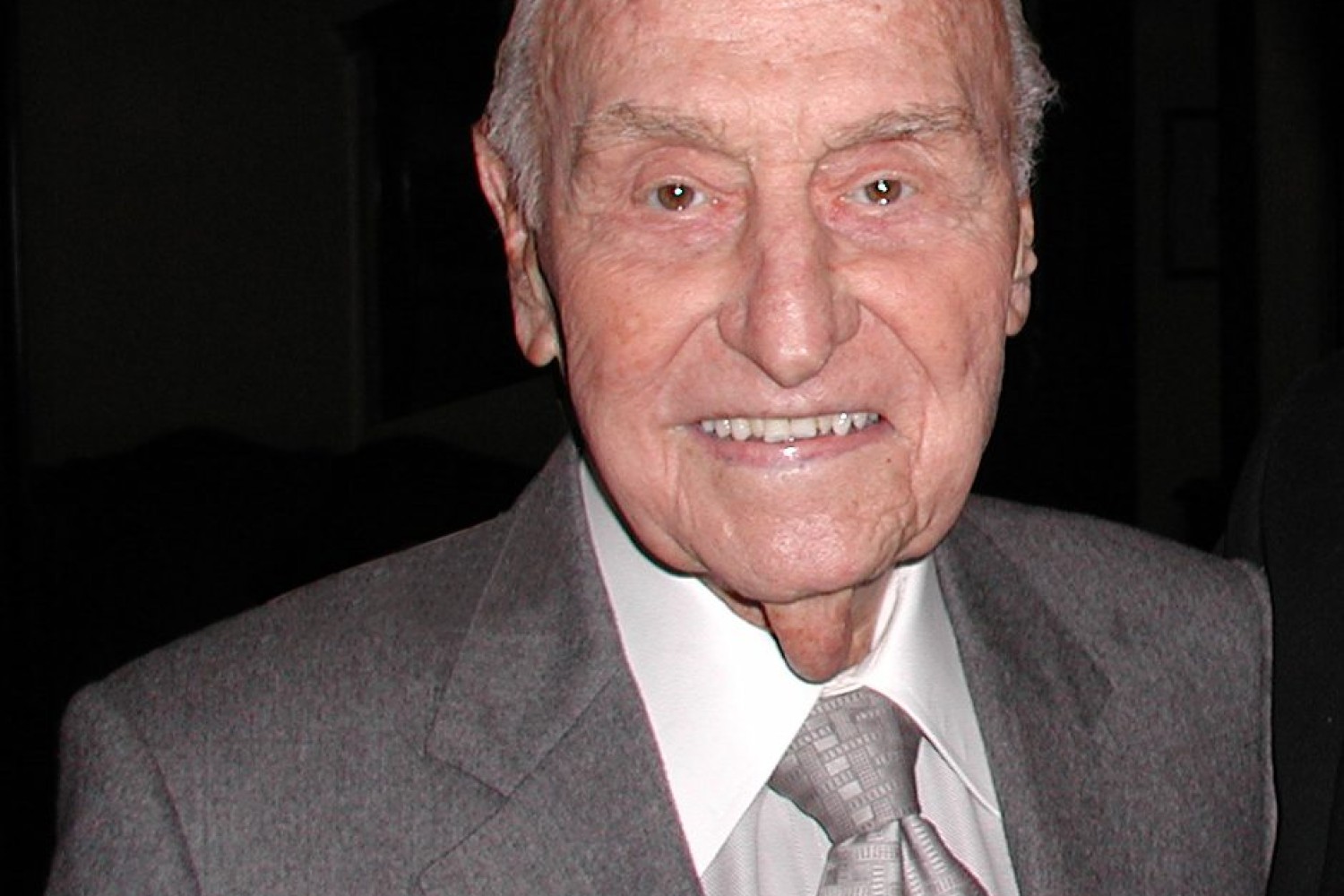
Al Christie

Al Christie was a Canadian-born motion picture director, producer and screenwriter.

Born Alfred Ernest Christie, in London, Ontario, Canada, he was one of a number of Canadian pioneers in early Hollywood who made their way to Hollywood, California, attracted by the newly developing motion picture business. Al Christie began his career in 1909 working for David Horsley’s Nestor film company in Bayonne, New Jersey. In 1910, at Horsley’s Centaur Film Company, Christie began turning out one single reel of a Mutt and Jeff comedy picture every week. The following year, Al went to the West Coast to head up Nestor Studios for Horsley. This operation was the first ever movie studio to be built in Hollywood It opened October 27, 1911. Al Christie then formed a partnership with his brother Charles to form Christie Film Company which lasted until 1933 when the company went into receivership.

Al Goodman

Al Goodman was a conductor, songwriter, stage composer, musical director, arranger, and pianist.

Graduate of the Baltimore City College and the Peabody Conservatory in Baltimore, musician in a nickelodeon, and chorus boy in one of the Milton Aborn’s operettas, Russian-born Al Goodman was first introduced to musical comedy by the late Earl Carroll who persuaded him to collaborate in producing his musical, So Long Letty.

This success, followed by the hit, ?Sinbad?, which he produced with Al Jolson, led to positions as orchestra conductor for many Broadway productions including the highly successful Flyin? High, The Student Prince, and Blossom Time. In all, during this period of his career, Goodman directed over 150 first-night performances and became one of the Great White Way’s most popular conductors.

He was in such demand that it was not uncommon for him to conduct the orchestra of a show for the first few performances, and then hand the baton over to another while he prepared for a new production. In addition to his assignments as one of RCA Victor’s most talented conductors, Goodman was kept busy directing the music for various radio network shows including Palmolive Beauty Box Theater, Your Hit Parade and the Fred Allen Show and his pet program, The Prudential Family.

Al Hibbler

Albert George “Al” Hibbler was an American baritone vocalist who sang with Duke Ellington’s orchestra before having several pop hits as a solo artist. Some of his singing is classified as rhythm and blues, but he is best classified as a bridge between R&B and traditional pop music. According to one authority, “Hibbler cannot be regarded as a jazz singer but as an exceptionally good interpreter of twentieth-century popular songs who happened to work with some of the best jazz musicians of the time.”

Hibbler was born in Tyro, Mississippi, and was blind from birth. At the age of 12 he moved to Little Rock, Arkansas where he attended Arkansas School for the Blind, joining the school choir. Later he began working as a blues singer in local bands, failing his first audition for Duke Ellington in 1935. However, after winning an amateur talent contest in Memphis, Tennessee, he joined a band led by Jay McShann in 1942, and the following year joined Ellington’s orchestra, replacing Herb Jeffries.

He stayed with Ellington for almost eight years, and featured on a range of Ellington standards including “Do Nothin’ Til You Hear From Me”, the words for which were written specifically for him and which reached # 6 on the Billboard pop chart in 1944, “I Ain’t Got Nothin’ But the Blues,” and “I’m Just a Lucky So-and-So.” Although Hibbler’s style was described as “mannered”, “over-stated”, and “full of idiosyncrasies” and “bizarre vocal pyrotechnics”, he was also considered “undoubtedly the best” of Ellington’s male vocalists. Whilst with Ellington, Hibbler won the Esquire New Star Award in 1947 and the Down Beat award for Best Band Vocalist in 1949.

Hibbler left Ellington’s band in 1951 after a dispute over his wages. He then recorded with various bands including those of Johnny Hodges and Count Basie, and for various labels including Chess, Mercury, and Norgran, a subsidiary of Verve Records, for whom he released an LP, Al Hibbler Favorites, in 1953. In 1954 he released a more successful album, Al Hibbler Sings Duke Ellington, and in 1955, he started recording with Decca Records, with immediate success. His biggest hit was “Unchained Melody”, which reached # 3 on the US pop chart, and its success led to network appearances, including a live jazz club remote on NBC’s Monitor. Other hits were “He,” “11th Hour Melody” and “Never Turn Back”. “After the Lights Go Down Low” was his last top ten hit.

OLYMPUS DIGITAL CAMERA

A.C. Lyles

In memory of producer and Walk of Famer A.C. Lyles, flowers were placed on his star on the Hollywood Walk of Fame on Monday, September 30, 2013. Lyles was known as Paramount Pictures “Ambassador of Goodwill.” The star in the category of Motion Pictures is located at 6840 Hollywood Boulevard. “A.C. Hollywood will really miss you and your enthusiasm,” Leron Gubler, President &CEO of the Hollywood Chamber of Commerce signed the card on behalf of the Hollywood Historic Trust and the Hollywood Chamber of Commerce.

Andrew Craddock Lyles is an American movie producer for Paramount Pictures who produced westerns in the 1950s and 1960s, and has been a major player in Hollywood for the past 78 years.

Lyles was born in Jacksonville, Florida. He remembers seeing the film Wings on his 10th birthday at a theater owned by Paramount in his native Jacksonville, FL. “I just fell in love with the picture and the people who made it. I had a great admiration for Adolph Zukor .” Lyles quickly went to the theater manager, asked for a job, and began distributing bumper stickers and handbills, working his way up to usher in three months.

Working at the theater created an opportunity to meet Zukor himself four years later when the studio head came to visit the theater. Lyles says he was certain that his brief introduction to Zukor as an adolescent would ultimately lead to working at the studio in Hollywood. Zukor told Lyles to finish high school before pursuing his Hollywood dreams. Having already gotten a job at a Paramount theater, the young Lyles was determined to work at the actual Paramount Studios lot that he began writing letters to Zukor every week.

Fate also intervened when Lyles introduced himself to Gary Cooper when the star came to Jacksonville on his way to Miami. Lyles told him about his weekly letters, although he hadn’t yet received any response. The star gave the boy a note to include in his next letter: “I am looking forward to A.C. Lyles being with us at the studio.” That led to a response from Zukor’s secretary, and Lyles began writing letters to her as well.

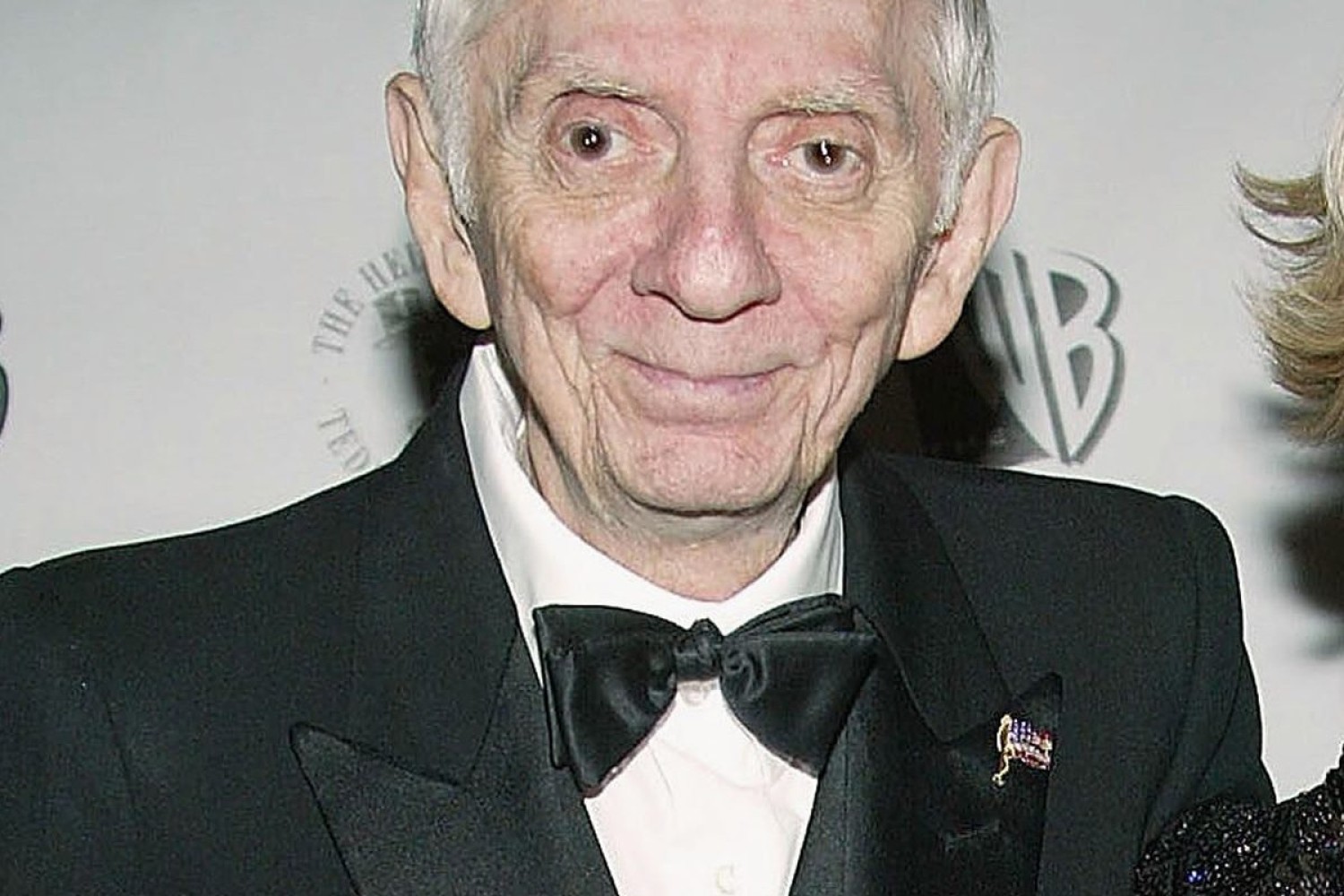
Aaron Spelling

Aaron Spelling was an American film and television producer. As of 2009, Spelling’s company holds the record as the most prolific television writer, with 218 producer and executive producer credits. Forbes ranked him the 11th top-earning dead celebrity in 2009.

Spelling was born in Dallas, Texas, to Pearl and David Spelling, a tailor, who were Jewish immigrants from Russia and Poland, respectively. Spelling also has a brother named Daniel Spelling who lived in San Francisco, who appeared on daughter Tori Spelling’s television show Tori And Dean: Home Sweet Hollywood. Daniel Spelling died in 2009. At the age of eight, Spelling lost the use of his legs psychosomatically due to trauma caused by constant bullying from his schoolmates, and was confined to bed for a year. During this time he read a vast number of books, which stimulated his imagination.

Spelling attended Forest Avenue High School. He served in the U.S. Air Force and was awarded the Bronze Star and Purple Heart with Oak Leaf Cluster. He then attended Southern Methodist University, graduating in 1949, where he was a cheerleader. He married actress Carolyn Jones in 1953, and they moved to California. They divorced in 1964. With his second wife, Candy Gene, whom he married in 1968, he had two children, Randy Spelling and Tori Spelling.

Spelling sold his first script to Jane Wyman Theater in 1954. He went on to write for Dick Powell, Playhouse 90, and Last Man, among others. Later, he also found work as an actor. Between 1956 and 1997 he played screen parts in twenty-two programs, including the first Brian Keith series, Crusader, a Cold War drama, as well as I Love Lucy and Gunsmoke. During the 1950s, Spelling joined Powell’s Four Star Productions, through which he created Lloyd Bridges’s anthology series, The Lloyd Bridges Show.

Abbe Lane

Abbe Lane is an American singer and actress. Born as Abigail Francine Lassman to a Jewish family in Brooklyn, New York, Lane began her career as a child actress on radio, and from there she progressed to singing and dancing on Broadway.

Married to Xavier Cugat from 1952 until their divorce in 1964, Lane achieved her greatest success as a nightclub singer, and was described in a 1963 magazine article as “the swingingest sexpot in show business”. Cugat’s influence was seen in her music which favoured Latin and rumba styles. In 1958 she starred opposite Tony Randall in the Broadway musical Oh, Captain! but her recording contract prevented her from appearing on the original cast album of the show. On the recording, her songs were performed by Eileen Rodgers. Lane later recorded her songs on a solo album. The most successful of her records was a 1958 album collaboration with Tito Puente titled Be Mine Tonight. Apart from working solo, Lane frequently appeared on talk shows with Cugat.

She attracted attention for her suggestive comments such as “Jayne Mansfield may turn boys into men, but I take them from there” and also commented that she was considered “too sexy in Italy”. Her costume for an appearance on the Jackie Gleason Show was considered too revealing and she was instructed to wear something else; however she appeared on the shows of Red Skelton, Dean Martin and Jack Benny without attracting controversy.

In addition to her Italian films, Lane was a frequent performer on the television show Toast of the Town during the 1950s. She also played guest roles in such series as The Flying Nun, F Troop, The Brady Bunch, Hart to Hart and Vega$. She appeared in Twilight Zone: The Movie in the role of an airline stewardess.

Adela Rogers St. Johns

Adela Rogers St. Johns was an American journalist, novelist, and screenwriter. She wrote a number of screenplays for silent movies and, late in life, appeared with other early twentieth-century figures as one of the ‘witnesses’ in Warren Beatty’s Reds, but she is best remembered for her groundbreaking exploits as a “girl reporter” during the 1920s and 1930s.

St. Johns was born in Los Angeles, California, the daughter of a prominent Los Angeles criminal lawyer, Earl Rogers, who was a friend of publishing magnate William Randolph Hearst. She obtained her first job at age 19 working as a reporter for Hearst’s San Francisco Examiner. She reported on crime, politics, society, and sports news before leaving the newspaper in the early 1920s. St. Johns then became noted for interviewing movie stars for Photoplay magazine. She also wrote short stories for Cosmopolitan, The Saturday Evening Post, and other magazines and finished nine of her 13 screenplays before returning to reporting for Hearst newspapers.

Writing in a distinctive, emotional style, St. Johns reported on, among other subjects, the controversial Jack Dempsey?Gene Tunney ?long-count? fight in 1927, the treatment of the poor during the Great Depression, and the 1935 trial of Bruno Richard Hauptmann for kidnapping and murdering the son of Charles Lindbergh. In the mid-1930s she moved to Washington, D.C., to report on national politics. Her coverage of the assassination of Senator Huey Long in 1935, the abdication of King Edward VIII in 1936, the Democratic National Convention of 1940, and other major stories made her one of the best-known reporters of the day. St. Johns again left newspaper work in 1948 in order to write books, and to teach at a series of universities.

In 1962 she published Final Verdict, a biography of her father Earl Rogers. The book was adapted for a TNT television film in 1991; Olivia Burnette portrayed the young Nora Rogers.

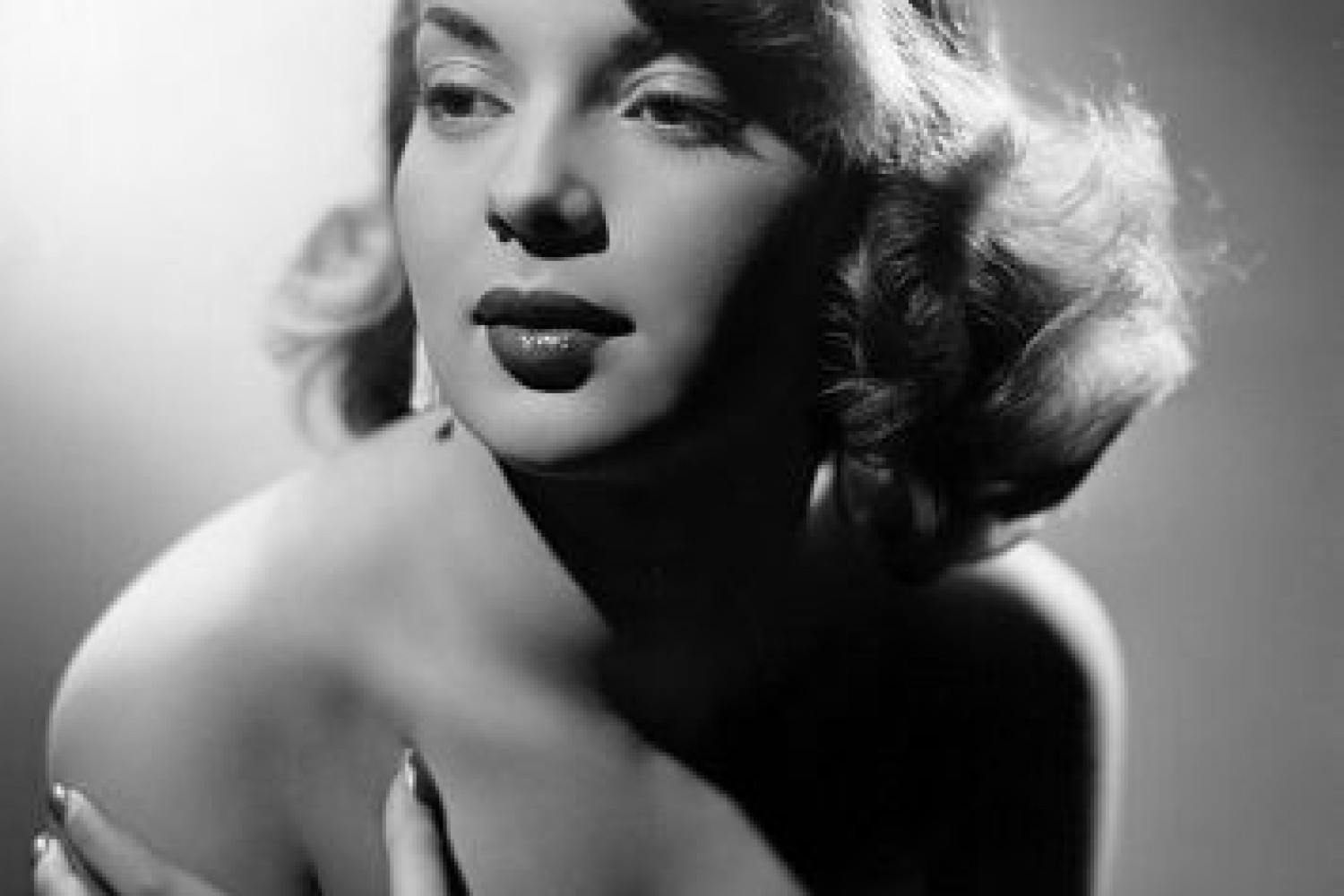
Adele Jergens

Adele Jergens was an American actress. Born in Brooklyn, New York, Jergen’s birth date is sometimes listed as 1922. Jergens first rose to prominence in the late 1930s, when she was named “Miss World’s Fairest” at the 1939 New York World’s Fair. In the early 1940s, she worked as a Rockette, and was named the Number One Showgirl in New York City.

After a few years of working as a model and chorus girl, including being an understudy to Gypsy Rose Lee, Jergens landed a movie contract with Columbia Pictures in 1944, with brunette Jergens becoming a blonde. Her chorus girl past came in handy when she played an exotic dancer in Armored Car Robbery. She was usually cast as blonde floozies and burlesque dancers. She once played Marilyn Monroe’s mother in Ladies of the Chorus despite the fact that Jergens was only 9 years older than Monroe.

Adolphe Menjou

Adolphe Jean Menjou was an American actor. His career spanned both silent films and talkies, appearing in such films as The Sheik, A Woman of Paris, Morocco, and A Star is Born. He was nominated for an Academy Award for The Front Page in 1931.

Menjou was born in Pittsburgh, Pennsylvania to a French father and an Irish mother from Galway. He was raised Catholic and attended the Culver Military Academy, graduating from Cornell University with a degree in engineering. Attracted to the vaudeville stage, he made his movie debut in 1916 in The Blue Envelope Mystery. During World War I, he served as a captain in the ambulance service.

Returning from the war, he became a star in such films as The Sheik and The Three Musketeers. When he starred in 1923’s A Woman of Paris, he solidified the image of a well-dressed man-about-town. Menjou was famous for wearing fine clothing in many of his films. His career stalled with the coming of talkies, but in 1930, he starred in Morocco, with Marlene Dietrich. He was nominated for an Academy Award for The Front Page. In 1947, Menjou cooperated with the House Committee on Un-American Activities in its hunt for Communists in Hollywood. Menjou was a leading member of the Motion Picture Alliance for the Preservation of American Ideals, a group formed to oppose Communist influence in Hollywood. Other members included John Wayne, Barbara Stanwyck and her husband, actor Robert Taylor.