Anne Francis

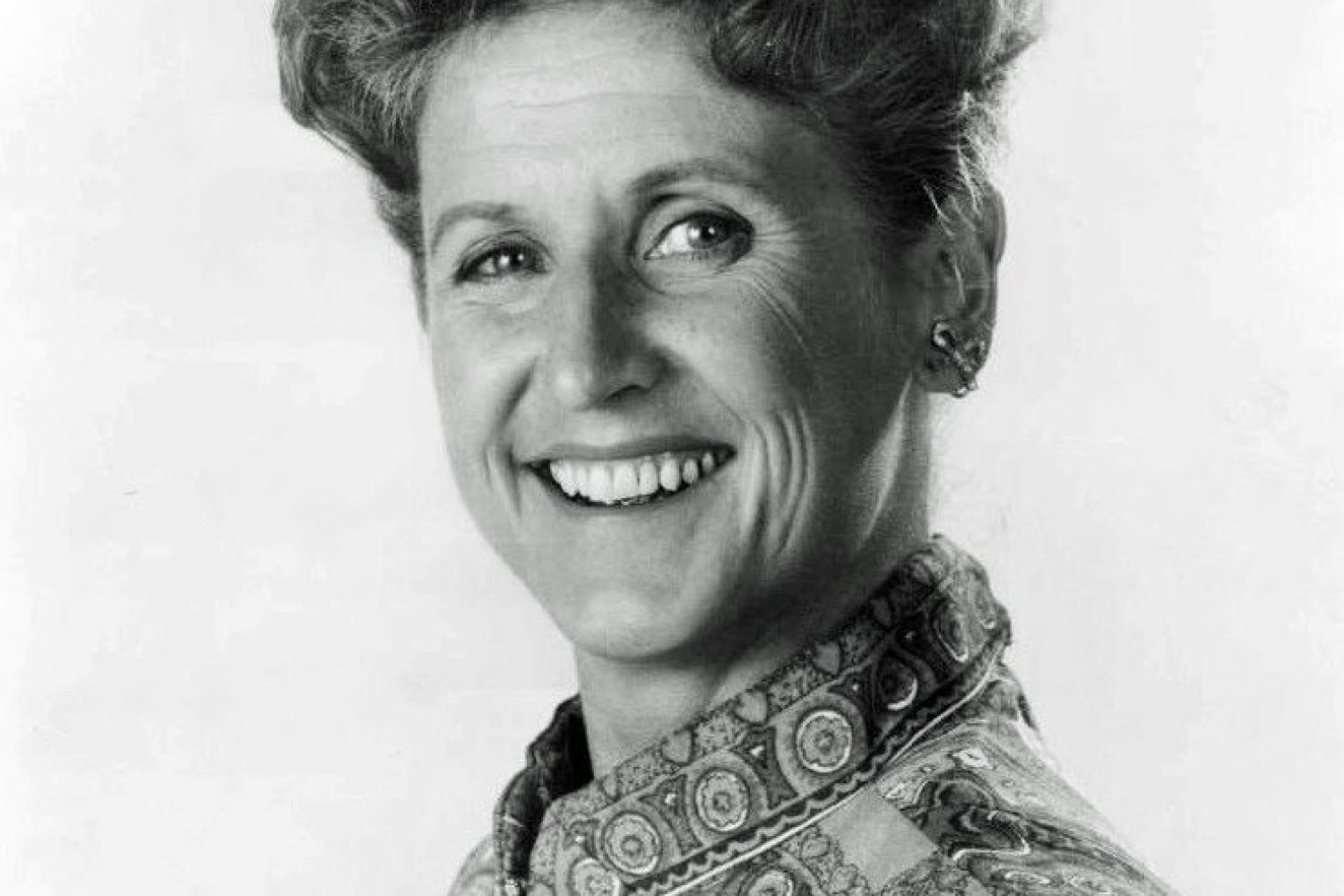
Anne Lloyd Francis is an American actress, famous for her role in the science fiction film classic Forbidden Planet, and as the female private detective in the television series Honey West. She won a Golden Globe and was nominated for an Emmy award for her role in Honey West. Francis holds the distinction of starring in the first TV series with a woman detective character's name in the title.

Anne Lloyd Francis was born in Ossining, New York in 1930, the only child of Phillip and Edith Francis. Francis entered show business at a young age, working as a model at age five to help her family during the Great Depression, and made her Broadway debut at the age of 11.

Over her career, Francis appeared in scores of TV shows and movies. She made her film debut in This Time for Keeps in 1947. In her early film career, she played supporting roles in films such as Susan Slept Here, So Young So Bad, and Bad Day at Black Rock. Her first leading role was in the 1955 film Blackboard Jungle. She is perhaps best-known on film for her role as Altaira in the significant S.F. film Forbidden Planet.

Francis found success in television, with several appearances on The Twilight Zone, including the title character in "Jess-Belle" and as Marsha White in "The After Hours." She was a frequent guest star in 1960s, 1970s, and 1980s TV movies and programs. She appeared in two episodes of the popular TV western The Virginian.

Anita Baker

See the Hollywood Walk of Fame Star Ceremony announcement
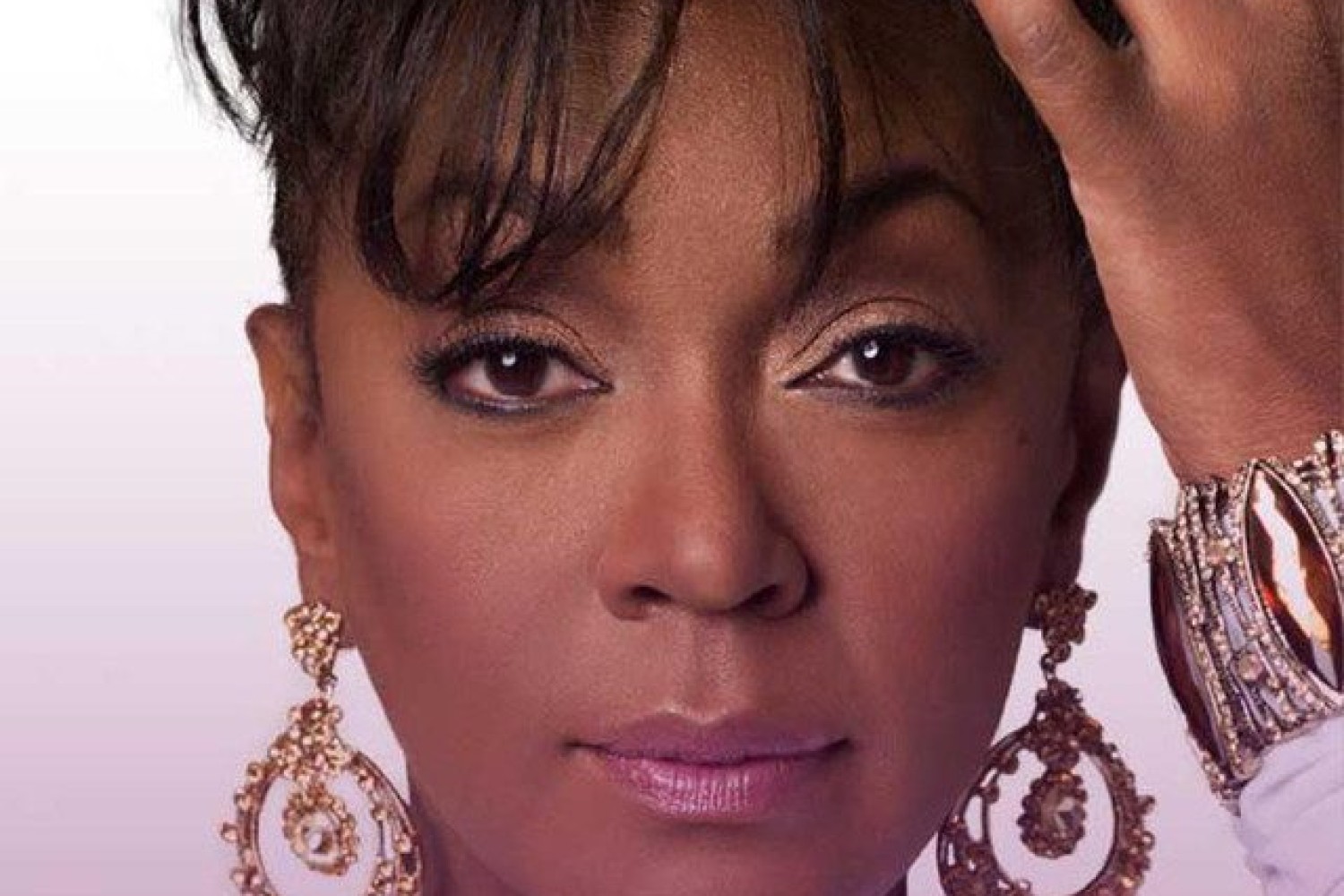
Anita Baker is an American R&B and soul singer-songwriter. To date, Baker has won eight Grammy Awards, and has four platinum albums and two gold albums to her credit.

Baker released her debut album, The Songstress, in 1983. Produced by the late Patrick Moten and Otis Smith, the album was released on a small label, Beverly Glen Records. The album helped launch Baker’s career as it found minor success on the R&B chart. Baker herself co-wrote the album’s opening track, “Angel”.

In 1985, Baker signed a contract with Elektra Records, a division of Warner Music Group. She released her second album, Rapture, in 1986. Produced by her friend Michael J. Powell, Baker wrote several tracks for the album herself including “Been So Long” and “Watch Your Step”, and co-wrote the single “Sweet Love” which became her first mainstream hit; it peaked at number eight on the U.S. Billboard Hot 100, number two on the U.S. Hot R&B/Hip-Hop Songs, and number thirteen in the United Kingdom. “Caught Up in the Rapture”, “No One in the World”, and “Same Ole Love” also became major R&B and adult contemporary chart hits during 1986 and 1987. Rapture ultimately went on to sell eight million copies worldwide and earned Baker two Grammy Awards in 1987: Best R&B Vocal Performance, Female for the album and Best Rhythm & Blues Song for “Sweet Love”. Baker’s world tour for her Rapture album, entitled A Night of Rapture, was filmed and released on home video. In 1987, Baker collaborated with The Winans on the single “Ain’t No Need to Worry”, which led Baker to her third Grammy Award the following year, in the Best Soul Gospel Performance by a Duo or Group, Choir or Chorus category.

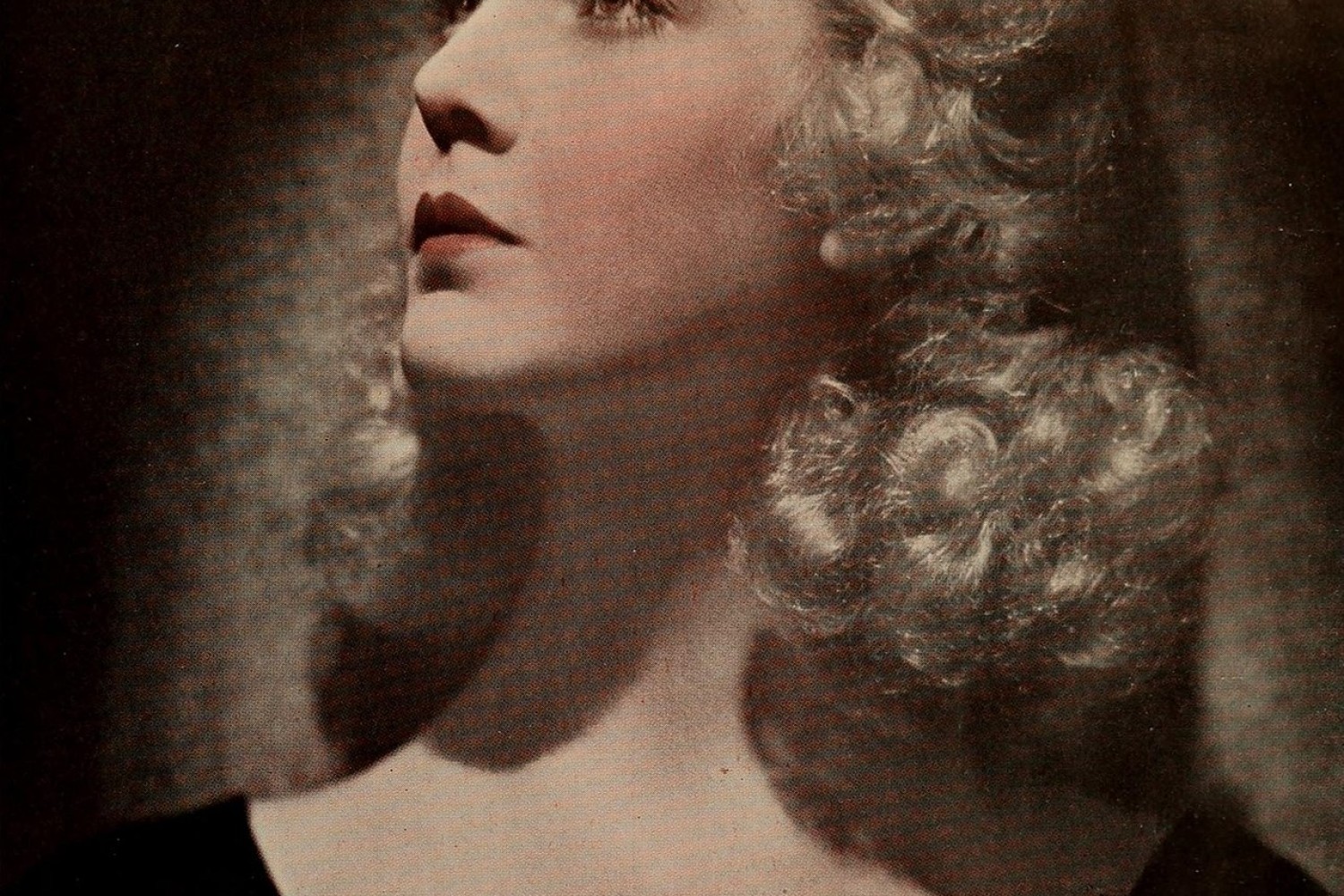
Anita Louise

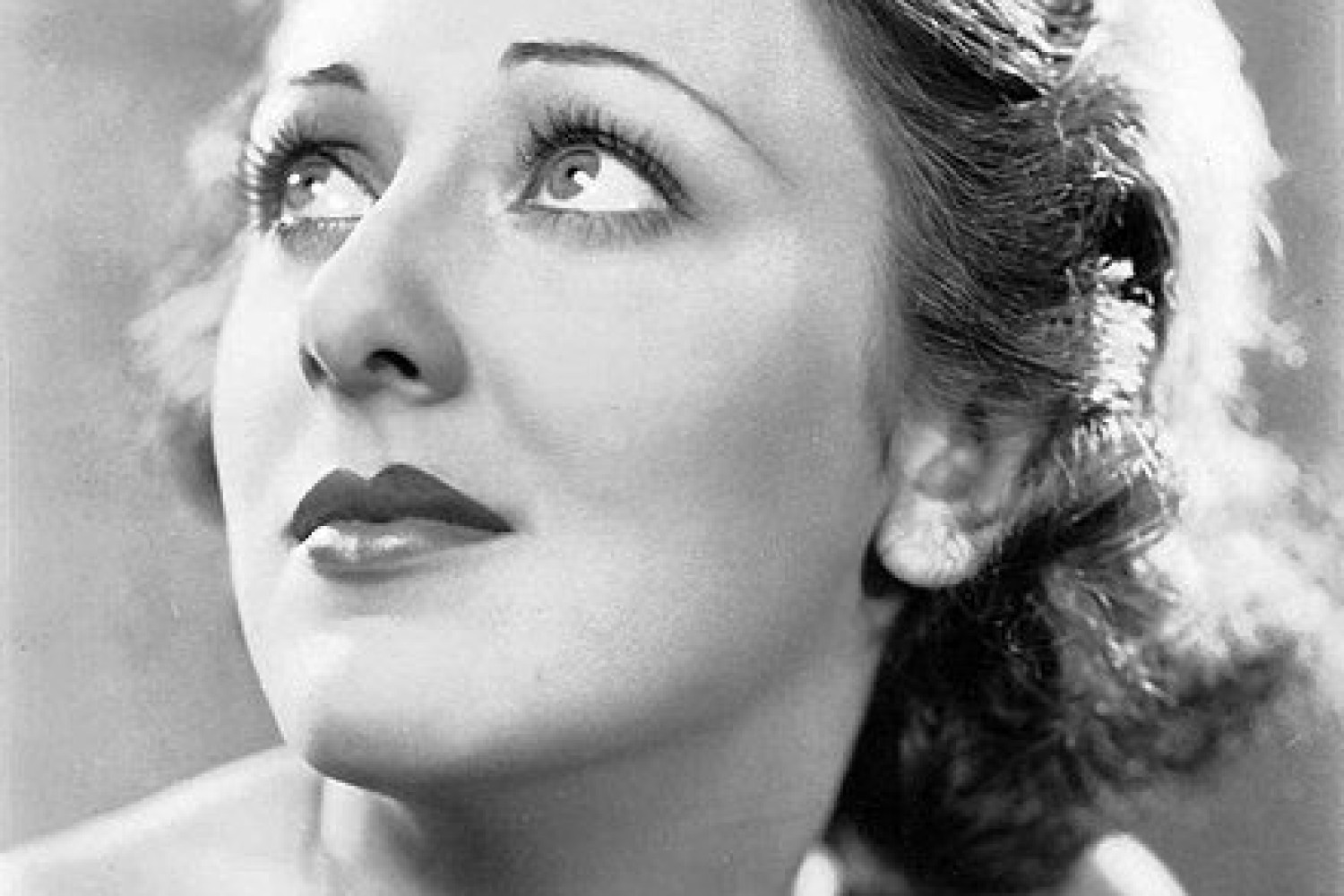
Anita Louise was an American film actress. Born Anita Louise Fremault in New York, New York, she made her acting debut on Broadway at the age of six, and within a year was appearing regularly in Hollywood films. By her late teens she was being cast in leading and supporting roles in major productions, and was highly regarded for her delicate features and blonde hair.

As her stature in Hollywood grew, she was named as a WAMPAS Baby Star, and was frequently described as one of cinema’s most fashionable and stylish women. Her reputation was further enhanced by her role as Hollywood society hostess, with her parties attended by the elite of Hollywood, and widely and regularly reported in the news media.

Among her film successes were Madame Du Barry, A Midsummer Night’s Dream, The Story of Louis Pasteur, Anthony Adverse, Marie Antoinette, The Sisters, and The Little Princess. By the 1940s, she was reduced to minor roles and acted very infrequently until the advent of television in the 1950s provided her with further opportunities. In middle age she played one of her most widely seen roles as the gentle mother, Nell McLaughlin, in the CBS television series My Friend Flicka from 1956?1957, with co-stars Johnny Washbrook, Gene Evans, and Frank Ferguson.

Anita Page in Our Modern Maidens, 1929

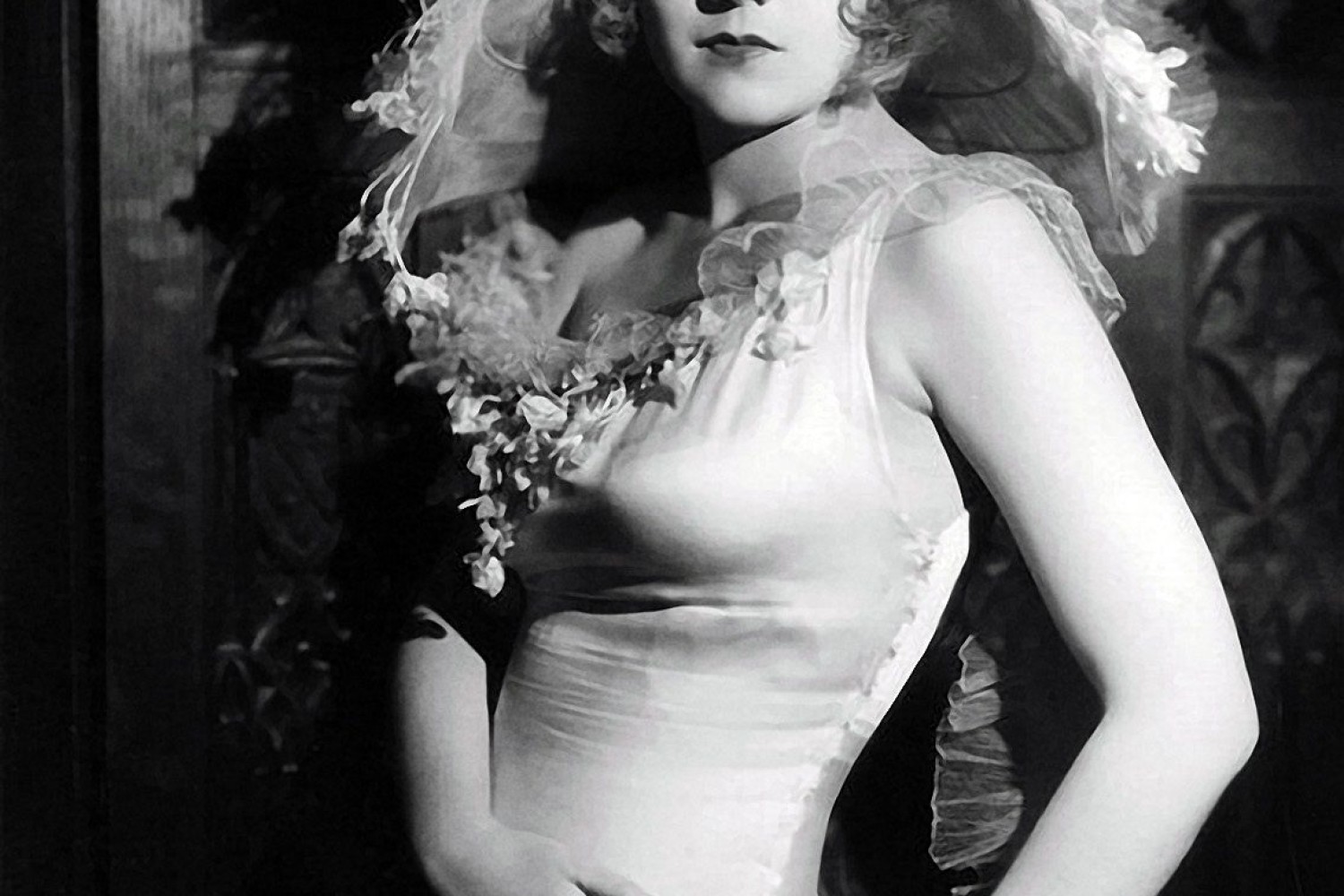
Anita Page

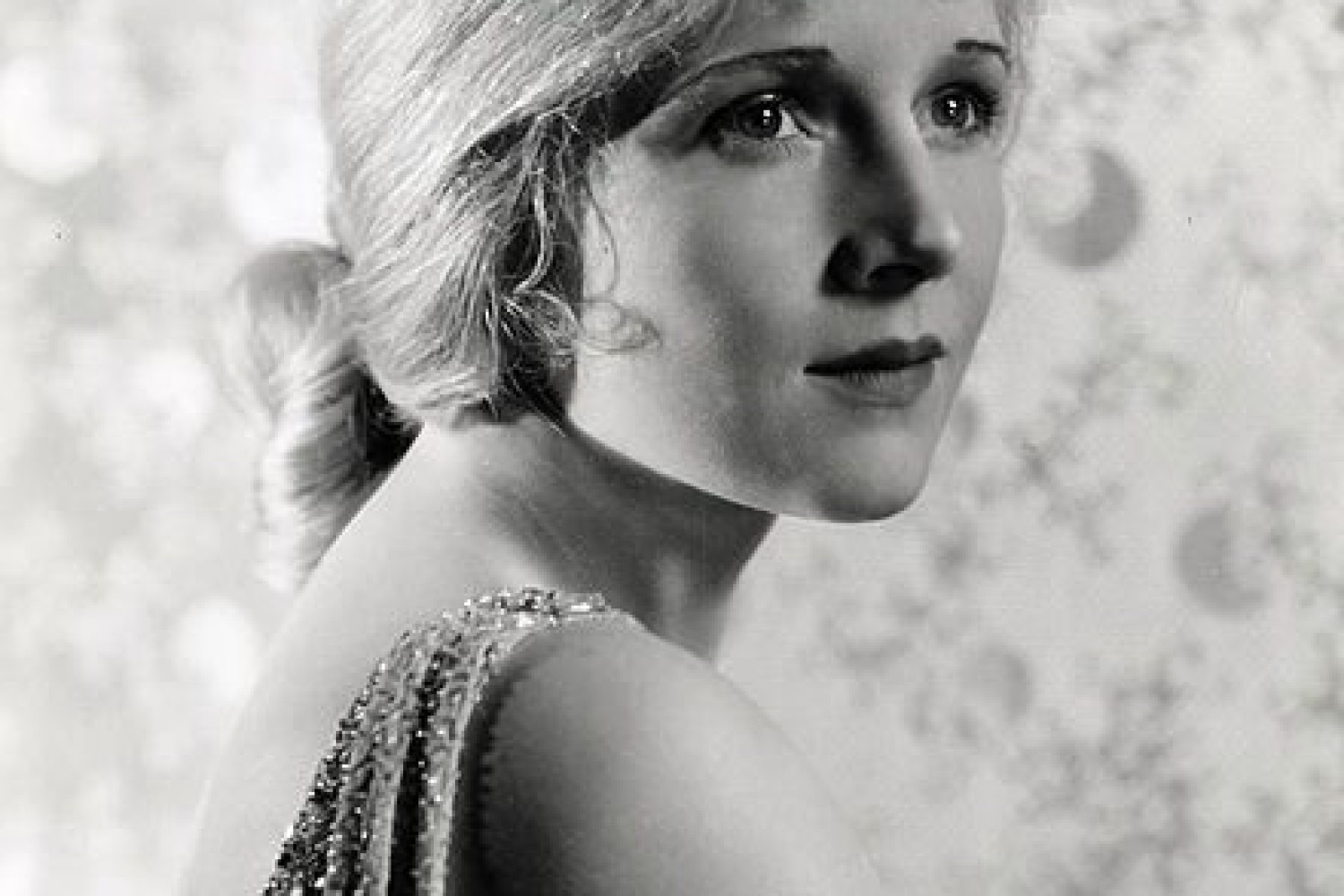
Anita Evelyn Pomares, better known as Anita Page, was an American film actress who reached stardom in the last years of the silent film era. She became a highly popular young star, reportedly at one point receiving the most fan mail of anyone on the MGM lot. When Page died in 2008 at age 98, she was the last surviving “famous” film star of the silent era except for child actresses such as Baby Peggy and Baby Marie. A few silent leading ladies who did not achieve wide fame survive her. She was referred to as “a blond, blue-eyed Latin” and “the girl with the most beautiful face in Hollywood” in the 1920s.

Page was born in Flushing, Queens to Helen and John Pomares. She had one brother, Marino, who later worked for her as a gym instructor while her mother worked as her secretary and her father as her chauffeur. Of Spanish ancestry, Page’s grandfather was a consul from El Salvador.

Page entered films with the help of friend, actress Betty Bronson. Page’s picture was spotted by a man who handled Bronson’s fan mail who was also interested in representing actors. With the encouragement of her mother, Page telephoned the man who arranged a meeting for her with a casting director at Paramount Studios. After screentesting for Paramount, Page also tested for MGM. After being offered a contract for both studios, Page decided on MGM. Page’s first film for MGM was the 1928 comedy-drama Telling the World, opposite William Haines. Her performances in her second MGM film, Our Dancing Daughters opposite Joan Crawford, and The Broadway Melody opposite Bessie Love were her greatest successes of the period, and her popularity allowed her to make a smooth transition into talking pictures.

She was the leading lady to Lon Chaney, Buster Keaton, Robert Montgomery, and Clark Gable and during the early 1930s, she was one of Hollywood’s busiest actresses. She was involved briefly with Gable romantically during that time. At the height of her popularity, she was receiving more fan mail than any other female star, with the exception of Greta Garbo, and received multiple marriage proposals from Benito Mussolini in the mail.

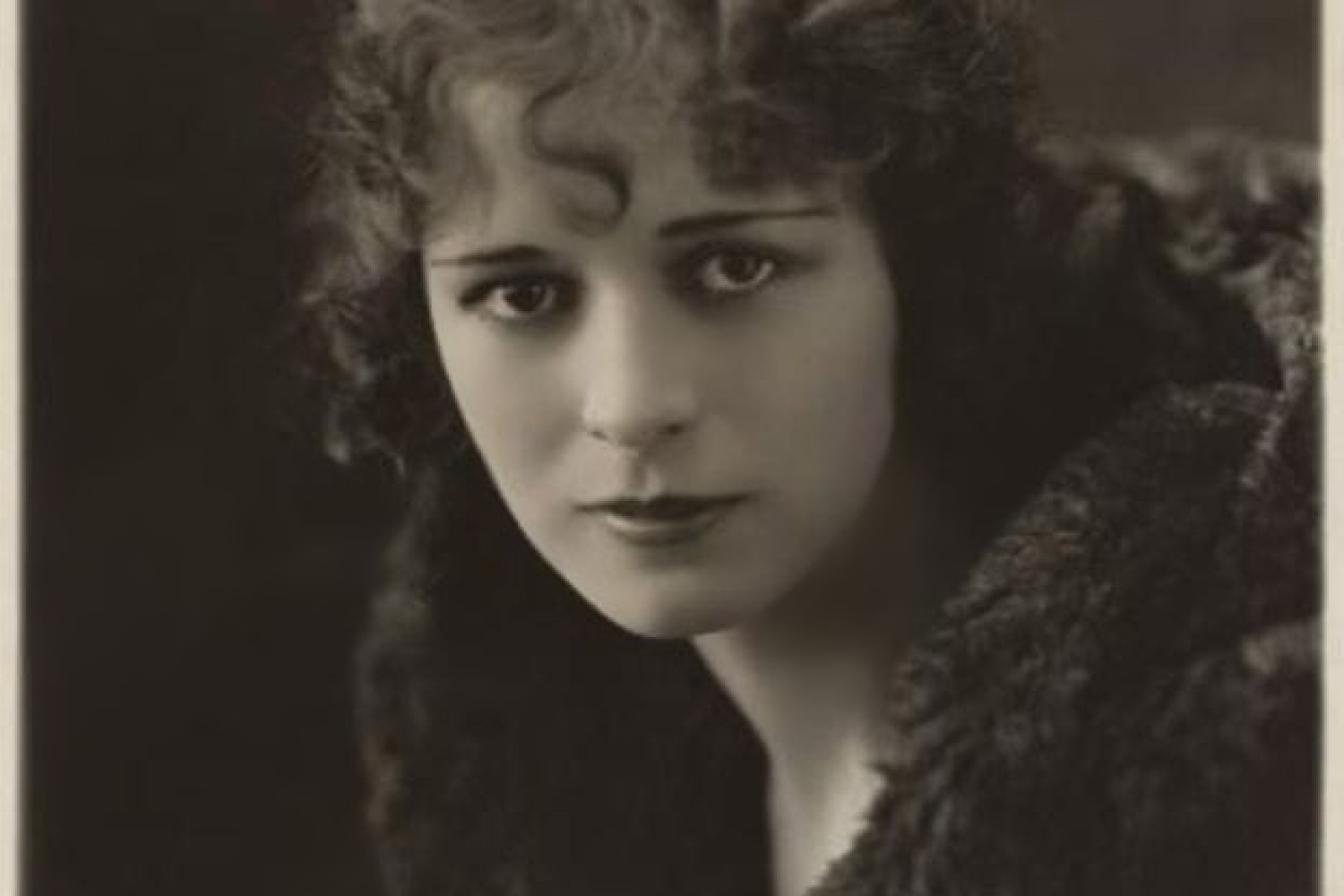
Anita Stewart

Anita Stewart was an American actress and film producer of the early silent film era.

Born in Brooklyn, New York as Anna May Stewart, she began her acting career in 1911 while still attending Erasmus High School in extra and bit parts for the Vitagraph film studios at their New York City location. Stewart was one of the earliest film actresses to achieve public recognition in the nascent medium of motion pictures and achieved a great deal of acclaim early in her acting career. Among her earlier popular roles were 1911’s enormous box office hit adaptation of A Tale of Two Cities, directed by William J.Humphrey, and having an all-star cast including Mabel Normand, Dorothy Kelly, Norma Talmadge and John Bunny, as well as roles in 1913’s The Forgotten Latchkey and The White Feather.

In 1917 she married Rudolph Cameron and became the sister-in-law of film director and actor Ralph Ince, who began giving the young actress more prominent roles in films for Vitagraph. Throughout the 1910s and into the early 1920s, Anita Stewart was one of the silent screen’s most popular actresses and was often paired in romantic roles with real-life husband, actor Rudolph Cameron. Stewart was also featured opposite such screen legends as Mae Busch, Barbara La Marr and Walt Whitman.

Stewart left her lucrative Vitagraph Studios career in 1918 to accept a contract with fledgling film mogul Louis B. Mayer by the terms of which she would head her own production company at the Mayer studios in Los Angeles. It was alleged that Stewart was recovering from an illness in a Los Angeles hospital when Mayer convinced her to leave Vitagraph for an undisclosed but exorbitant sum of money. Between 1918 and 1919 Stewart produced seven moderately successful vehicles, starring in all of them. Throughout the 1920s, Stewart continue to be featured in prominent roles in silent films. Following Stewart’s divorce from Cameron in 1928, Stewart married George Peabody Converse the following year.

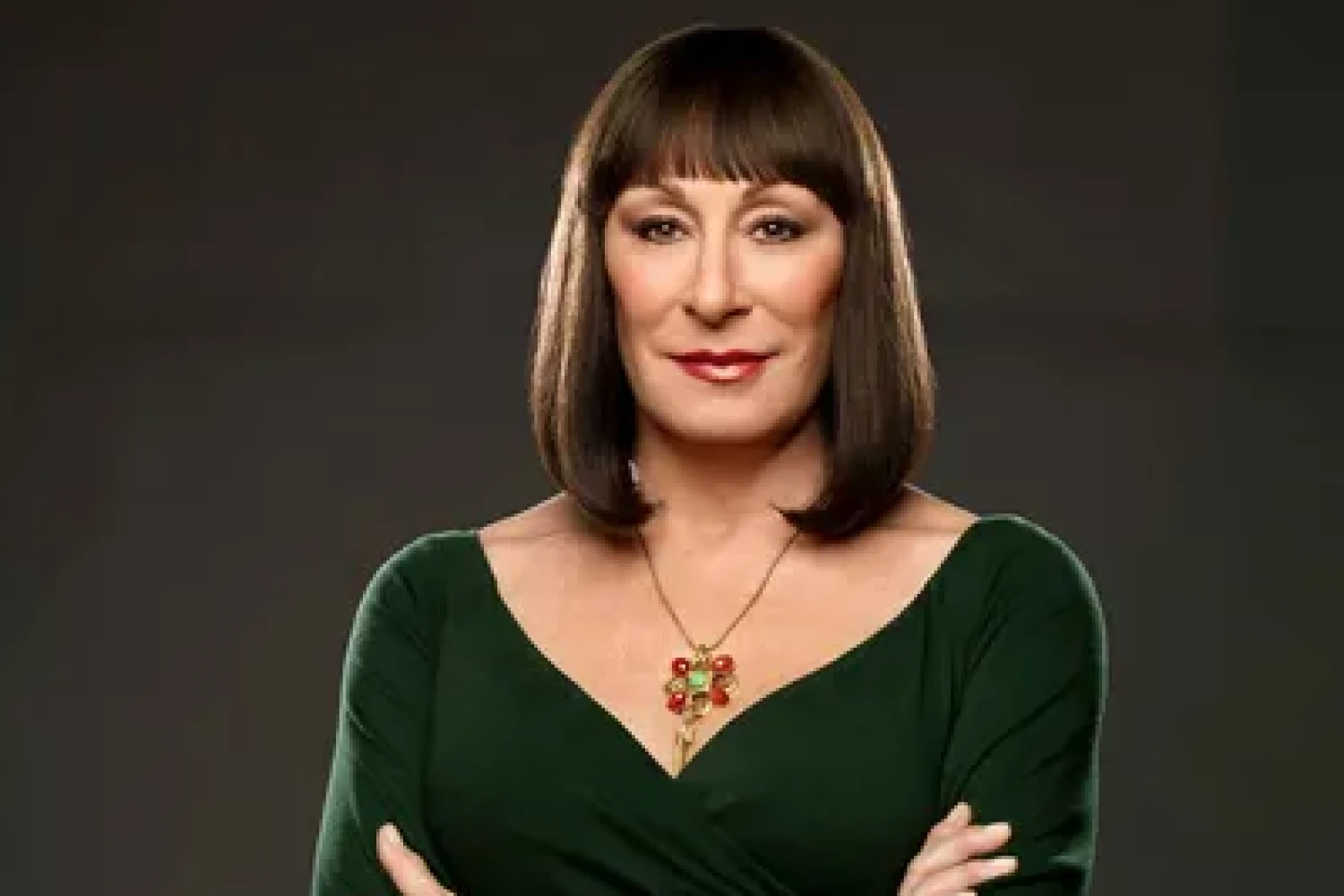
Anjelica Huston

See the Hollywood Walk of Fame Star Ceremony announcement
ANJELICA HUSTON HONORED WITH 2,398th STAR ON THE HOLLYWOOD WALK OF FAME at 6270 Hollywood Boulevard in front of the W Hotel on Friday, January 22, 2010

An award-winning actress and director, Anjelica Huston continues her renowned family’s legacy in film, which began with her grandfather, Walter, and her father, John.

Huston was born on July 8, 1951, to director and actor John Huston and Italian American (from New York) prima ballerina Enrica (Ricki) Soma. She spent most of her childhood overseas, in Ireland and England, and in 1969 dipped her toe into the acting profession, taking a few small roles in her father’s films. She relocated to the United States where she modeled for many years. While modeling, Huston had a few more small film roles, but decided to focus more on movies in the late 1970’s, studied acting and began to get roles.

Huston most recently starred in Clark Gregg’s directorial debut, “Choke,” opposite Sam Rockwell and Kelly MacDonald. The dark comedy won the Sundance Special Jury Prize (2008) for work by an ensemble cast. She also was seen recently in an acclaimed cameo in “The Darjeeling Limited,” directed by Wes Anderson and starring Adrien Brody, Owen Wilson, and Jason Schwartzman. Huston’s most current role is in the Walt Disney Picture’s film WHEN IN ROME which opens January 29th.

Throughout her career, Huston has received a multitude of awards for her work, including multiple honors from the National Society of Film Critics, two Independent Spirit Awards, the Los Angeles and New York Film Critics Awards, and an honor from Women in Film. Huston received a Best Supporting Actress Oscar® for her role as Maerose Prizzi in the black comedy “Prizzi’s Honor,” in which she starred opposite Jack Nicholson and Kathleen Turner. In 2005, Huston received a Golden Globe Award® for her role in HBO’s original movie “Iron Jawed Angels,” in which she starred opposite Hilary Swank and Julia Ormond.

Huston’s additional credits include memorable turns in the hit “Addams Family” and “Addams Family Values” films as well as in Stephen Frears’ “The Grifters,” Wes Anderson’s “The Royal Tenenbaums” and “The Life Aquatic with Steve Zissou,” Nicholas Roeg’s “The Witches,” Woody Allen’s “Manhattan Murder Mystery” and “Crimes and Misdemeanors,” Paul Mazursky’s “Enemies: A Love Story,” Sean Penn’s “The Crossing Guard,” Frances Ford Coppola’s “Gardens of Stone,” Mira Nair’s “The Perez Family,” and her father’s final film, “The Dead.”

Her directorial debut was an unflinching adaptation of Dorothy Allison’s best-selling memoir, “Bastard Out of Carolina,” which garnered Huston critical acclaim. She received an Emmy® nomination for her work on the controversial drama as well as a Director’s Guild nomination. Huston directed, produced and starred in “Agnes Browne,” which was presented at the Directors’ Fortnight at the 2000 Cannes Film Festival.

Additional film credits include “Ever After,” “Seraphim Falls,” “The Golden Bowl,” “A Handful of Dust,” “Mr. North,” “Buffalo ’66,” “Art School Confidential” and Clint Eastwood’s “Blood Work.”

Her television credits include Robert Ludlum’s “Covert One: The Hades Factor,” as well as a recurring role on Showtime’s original series “Huff,” starring Hank Azaria. Huston received Emmy® nominations for her performance in the CBS miniseries “Buffalo Girls,” her performance opposite Robert Duvall and Tommy Lee Jones in the miniseries “Lonesome Dove,” her performance opposite Sam Neill in the television film “Family Pictures,” and her work in the TNT miniseries “The Mists of Avalon.” Huston also starred on “Medium” opposite Patricia Arquette in a seven-episode arc that debuted in January 2008 for which she received an Emmy® nomination for Outstanding Guest Actress in a Drama Series.

Huston currently serves on the Board of Directors at the National University of Ireland Galway’s John Huston School of Film and Digital Media. She is a member of the Film Foundation’s Artist’s Rights Council and is a recent spokesperson for PETA and the US Campaign for Burma. *Supports numerous charities, organizations and institutions including Homeboy Industries, Global Green USA, The Library Foundation, Amnesty International, Project Angel Food and the Thoroughbred Relief Foundation, among others.

Ann B. Davis

Ann Bradford Davis is an American television actress.

Davis achieved prominence for her role in The Bob Cummings Show for which she twice won the Emmy Award for Outstanding Supporting Actress in a Comedy Series. She later played the part of Alice, the housekeeper in The Brady Bunch series.

Davis’s first success was as Charmaine “Schultzy” Schultz in the sitcom The Bob Cummings Show on NBC. She auditioned for the role because her friend’s boyfriend was a casting director and recommended her for the part. She won the Emmy Award for Outstanding Supporting Actress in a Comedy Series twice out of four nominations for this role. On February 9, 1960, Davis received a star on the Hollywood Walk of Fame.

In the 1965?1966 television season, she appeared as Miss Wilson, a physical education teacher at a private girls’ academy in San Francisco, in John Forsythe’s NBC sitcom The John Forsythe Show. For a period in the 1960s and 1970s, Davis was known for her appearances in television commercials for the Ford Motor Company, particularly for the mid-sized Ford Fairlane models. Davis was featured in commercials for Minute Rice until the mid-1980s.

Ann Blyth

Ann Marie Blyth is an American actress and singer, often cast in Hollywood musicals, but also successful in dramatic roles. Her performance as Veda Pierce in the 1945 film Mildred Pierce was nominated for an Academy Award for Best Supporting Actress.

Blyth was born in Mount Kisco, New York, to parents who divorced shortly after her birth. She was raised a devout Roman Catholic by her mother. Blyth began her acting career initially as “Anne Blyth,” changing the spelling of her name back to the original at the beginning of her film career. Her first acting role was on Broadway in Watch on the Rhine. She was signed to a contract with Universal Studios, and made her film debut in Chip Off the Old Block in 1944. In musical films such as Babes on Swing Street, and Bowery to Broadway, she played the part of the sweet and demure teenager.

On loan to Warner Brothers, Blyth was cast against type as Veda Pierce, the scheming, ungrateful daughter of Joan Crawford in the 1945 film Mildred Pierce. Her dramatic portrayal won her outstanding reviews and she received a nomination for an Academy Award for Best Supporting Actress.

Having injured her back after Mildred Pierce, Blyth was not able to capitalize on its success completely, although she was still able to make a few films. She played the part of Regina Hubbard in Another Part of the Forest, and achieved success playing a mermaid in Mr. Peabody and the Mermaid. Her other films include : Our Very Own, The Great Caruso, One Minute to Zero, The World in His Arms, Rose Marie, The Student Prince, Kismet, The Buster Keaton Story, and The Helen Morgan Story. Even though her voice was more like the original Helen Morgan, her vocals were dubbed by Gogi Grant, a popular singer at the time. That soundtrack was much more successful than the film itself.

Ann Dvorak

Ann Dvorak was an American film actress. Born Anna McKim in New York City, the only child of two vaudevillians, she was raised in the business that would later make her a star. Her father, Edwin McKim worked as a director for the Lubin Studios, and her mother, Anna Lehr, found success as the star of many silent features. The couple split when Ann was four, and she and her mother moved to Hollywood. Ann would not see her father again until a national appeal to the press reunited the two in 1934.

As a child, she appeared in several films. She began working for MGM in the late 1920s as a dance instructor and gradually began to appear on film as a chorus girl. Her friend Joan Crawford introduced her to Howard Hughes, who groomed her as a dramatic actress. She was a success in such pre-Code films as Scarface, as Paul Muni’s character’s sister, as the doomed unstable Vivian in Three on a Match, with Joan Blondell and Bette Davis, Love Is a Racket, and opposite Spencer Tracy in Sky Devils. Known for her style and elegance, she was a popular leading lady for Warner Brothers during the 1930s, and appeared in numerous contemporary romances and melodramas. A dispute over her pay led to her finishing out her contract on permanent suspension, and then working as a freelancer, but although she worked regularly, the quality of her scripts declined sharply. She appeared as secretary Della Street to Donald Woods’ Perry Mason in The Case of the Stuttering Bishop. She also acted on Broadway. With her then-husband, British actor Leslie Fenton, Dvorak travelled to England where she supported the war effort by working as an ambulance driver, and appeared in several British films.

She retired from the screen in 1951, when she married her third and last husband, Nicholas Wade, to whom she remained married until his death in 1977. It was her longest and most successful marriage. She had no children.

Ann Harding

Ann Harding was an American theatre, motion picture, radio, and television actress.

Born Dorothy Walton Gatley at Fort Sam Houston in San Antonio, Texas, to George G. Gatley and Elizabeth “Bessie” Crabb. The daughter of a career army officer, she traveled often during her early life. Her father was born in Maine and served in the American Expeditionary Force in World War I. He died in San Francisco, California in 1931. The family finally settled in New York; Harding attended Bryn Mawr College in Bryn Mawr, PA, on the Pennsylvania Main Line outside Philadelphia.

Following school, she found employment as a script reader. She began acting and made her Broadway debut in 1921. She soon became a leading lady, who kept in shape by using the services of Sylvia of Hollywood. In 1929, she made her film debut in Paris Bound, opposite Fredric March. In 1931, she was nominated for the Academy Award for Best Actress for Holiday.

First under contract to Pathé, which was subsequently absorbed by RKO studio, Harding, co-starred with Ronald Colman, Myrna Loy, Herbert Marshall, Leslie Howard, Richard Dix, and Gary Cooper, often on loan out to other studios, such as MGM and Paramount. At RKO, Harding, along with Helen Twelvetrees and Constance Bennett, comprised a trio who specialized in the “women’s pictures” genre.