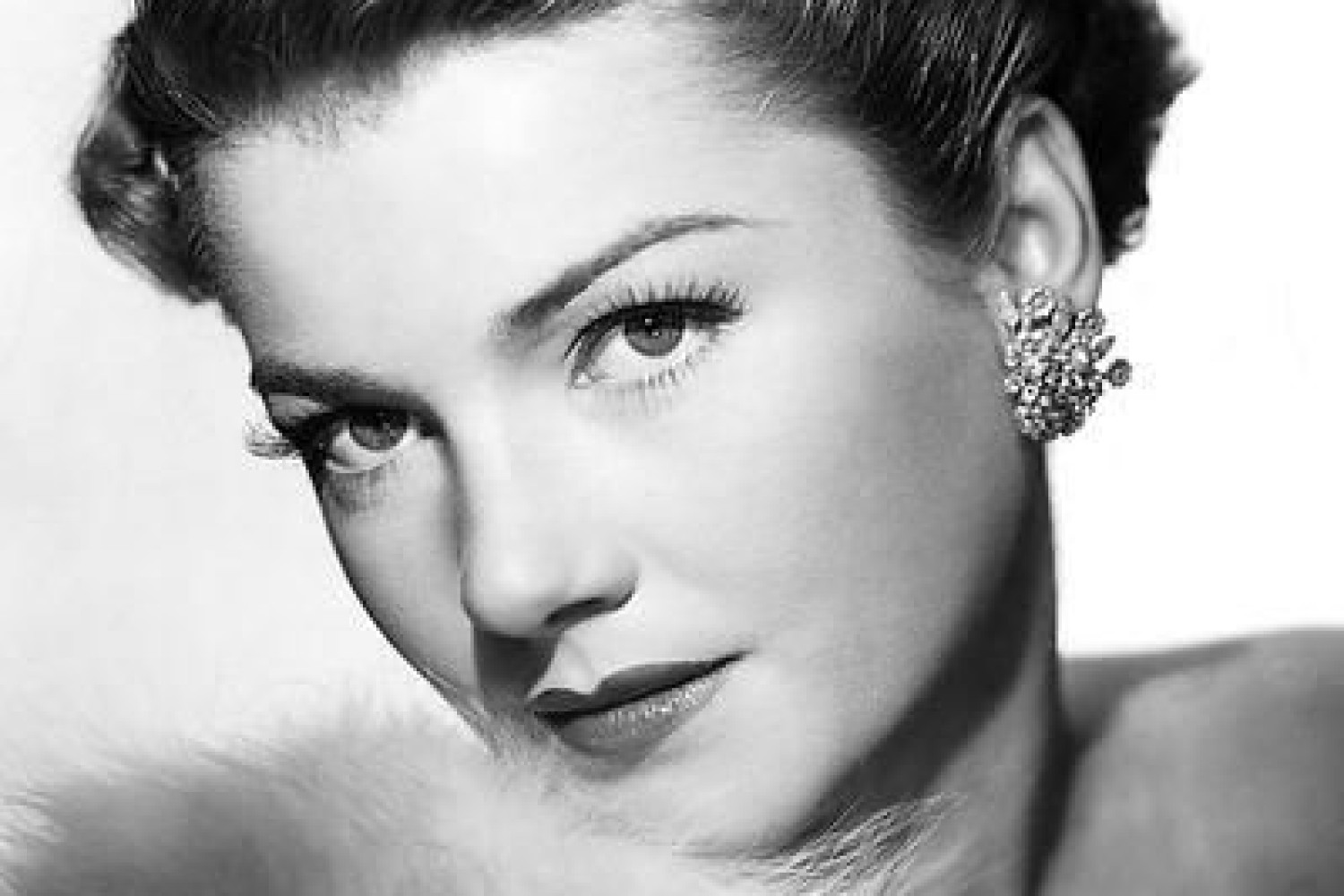

Ann Rutherford

Ann Rutherford is a Canadian-American actress in film, radio, and television. She has had a long career starring and co-starring in films, playing Polly Benedict on the big screen of the 1930s and 1940s in the Andy Hardy series, and on The Bob Newhart Show as Newhart’s character’s mother-in-law.

Her first film role was in Waterfront Lady in 1935. She appeared in eighteen films between 1935 and 1937. It was in 1937 that her first notable role came as Andy Hardy’s girlfriend, Polly Benedict, in You’re Only Young Once. In the long-running, Andy Hardy film series, she played Polly twelve times, with the last appearance being in Andy Hardy’s Double Life in 1942.

She was born Therese Ann Rutherford to a former Metropolitan Opera tenor and an actress in Vancouver, British Columbia, Canada. At an early age, she performed in various radio shows. She began her film career in starring roles in Waterfront Lady for Mascot Pictures in 1935. Mascot merged with Republic Pictures, and Rutherford soon established herself as a popular leading lady of Westerns with Gene Autry and John Wayne. Afterward, she was placed under contract with MGM. At MGM, she appeared in such films as A Christmas Carol and Pride and Prejudice. She was loaned to Selznick International to appear as Carreen O’Hara in Gone with the Wind. From 1937 until 1942, she portrayed Polly Benedict in the very successful Andy Hardy series. She also starred in a series of mystery/comedies with Red Skelton, Whistling in the Dark, Whistling in Dixie, and Whistling in Brooklyn .
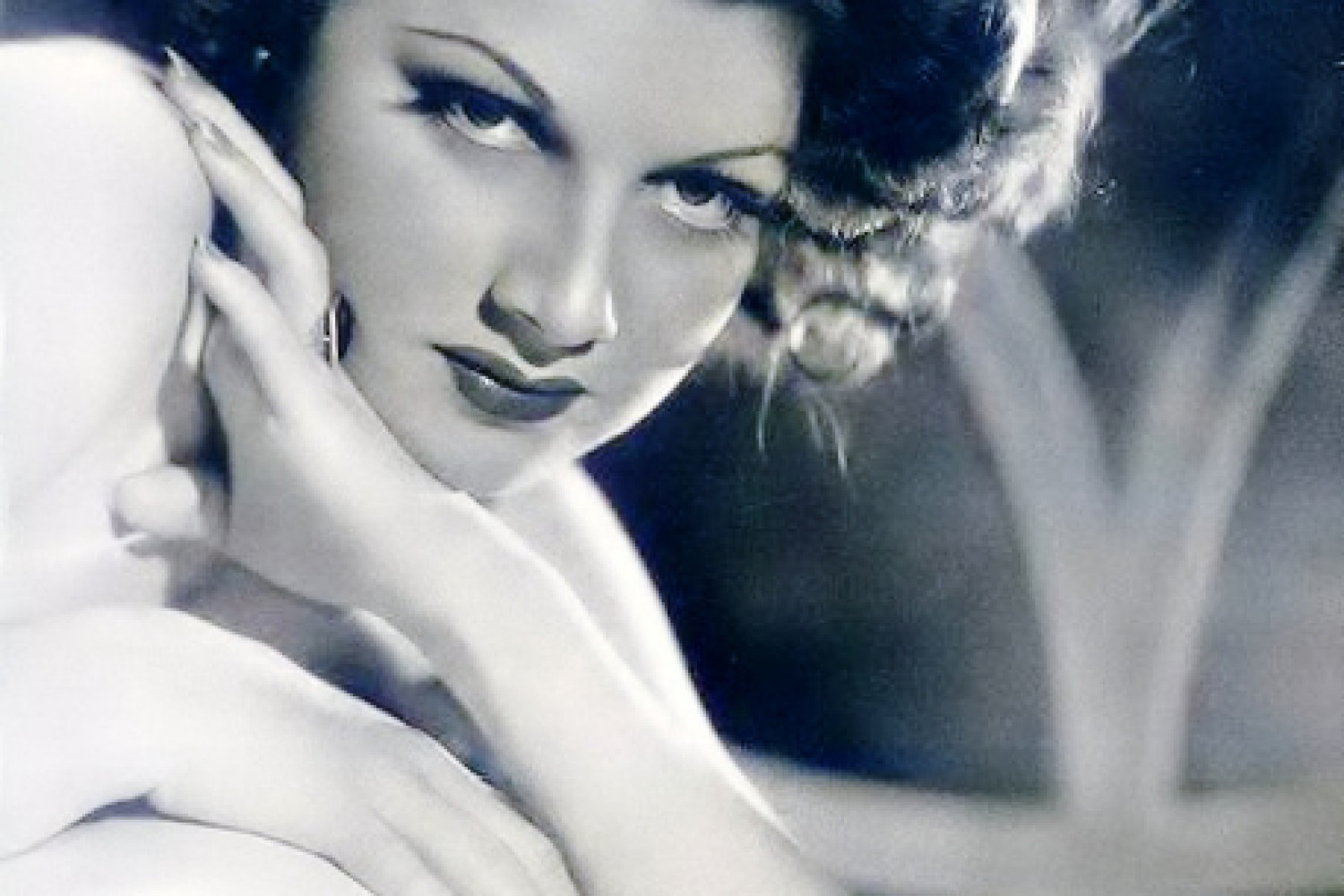
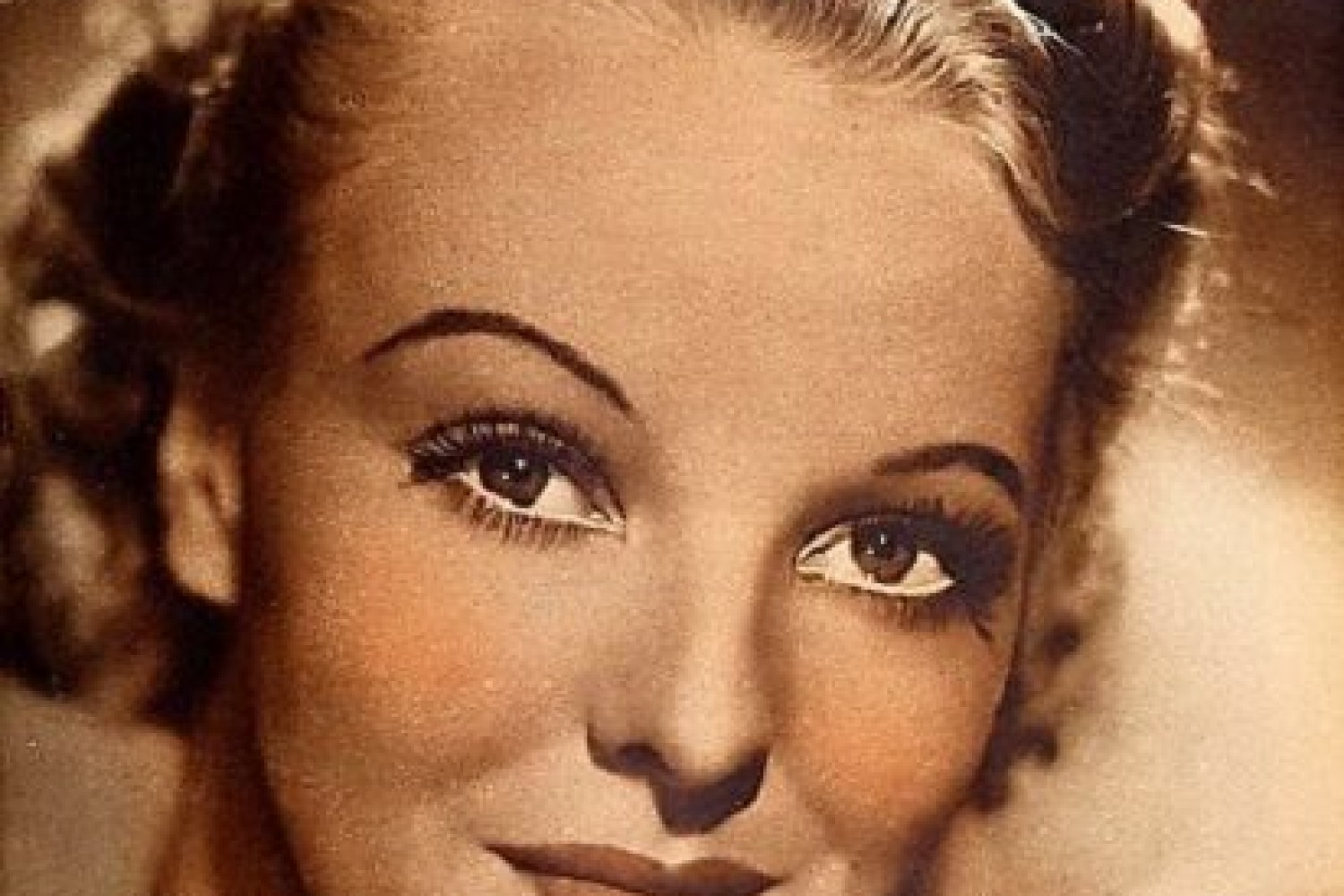
Ann Sheridan

Ann Sheridan was an American film actress. Born Clara Lou Sheridan in Denton, Texas on February 21, 1915, she was a college student when her sister sent a photograph of her to Paramount Pictures. She subsequently entered and won a beauty contest, with part of her prize being a bit part in a Paramount film. She abandoned college to pursue a career in Hollywood.

She made her film debut in 1934, aged 19, in the film Search for Beauty, and played uncredited bit parts in Paramount films for the next two years. Paramount made little effort to develop Sheridan’s talent, so she left, signing a contract with Warner Bros. in 1936, and changing her name to “Ann Sheridan.”

Sheridan’s career prospects began to improve. The red-haired beauty would soon become Warner’s top sex symbol. She received as many as 250 marriage proposals from fans in a single week. Tagged “The Oomph Girl,” Sheridan was a popular pin-up girl in the early 1940s.

She was the heroine of a novel, Ann Sheridan and the Sign of the Sphinx, written by Kathryn Heisenfelt, published by Whitman Publishing Company in 1943. While the heroine of the story was identified as a famous actress, the stories were entirely fictitious. The story was probably written for a young teenage audience and is reminiscent of the adventures of Nancy Drew. It is part of a series known as “Whitman Authorized Editions”, 16 books published between 1941-1947 that always featured a film actress as heroine.

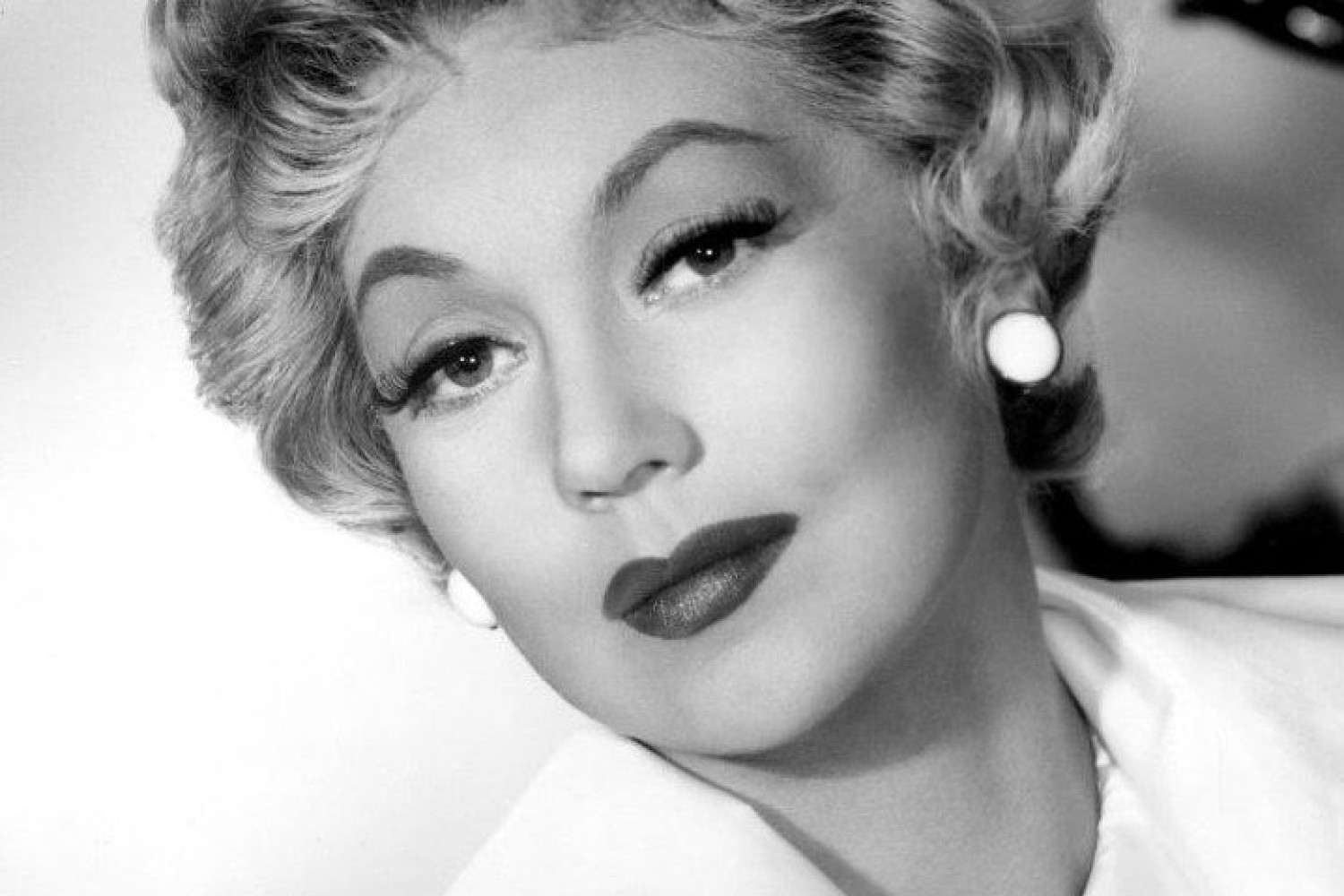
Ann Sothern

Ann Sothern was an American film and television actress with a career spanning six decades.

Sothern was born Harriette Arlene Lake in Valley City, North Dakota, but was raised in Minneapolis, Minnesota, where she graduated from Minneapolis Central High School in 1926. Sothern left home and began her film career as an extra in the 1927 film Broadway Nights at the age of 18. During 1929 and 1930, she appeared as a chorus girl in such films as The Show of Shows and Whoopee!. She appeared on Broadway and had a trained voice, occasionally singing in films.

On Broadway in 1931, she had leading roles in America’s Sweetheart and in Everybody’s Welcome. In 1934, Sothern signed a contract with Columbia Pictures, but after two years the studio released her. In 1936, she was signed by RKO Radio Pictures and after a string of films that failed to attract an audience, Sothern left RKO and was signed to Metro-Goldwyn-Mayer, making her first film for them in 1939.

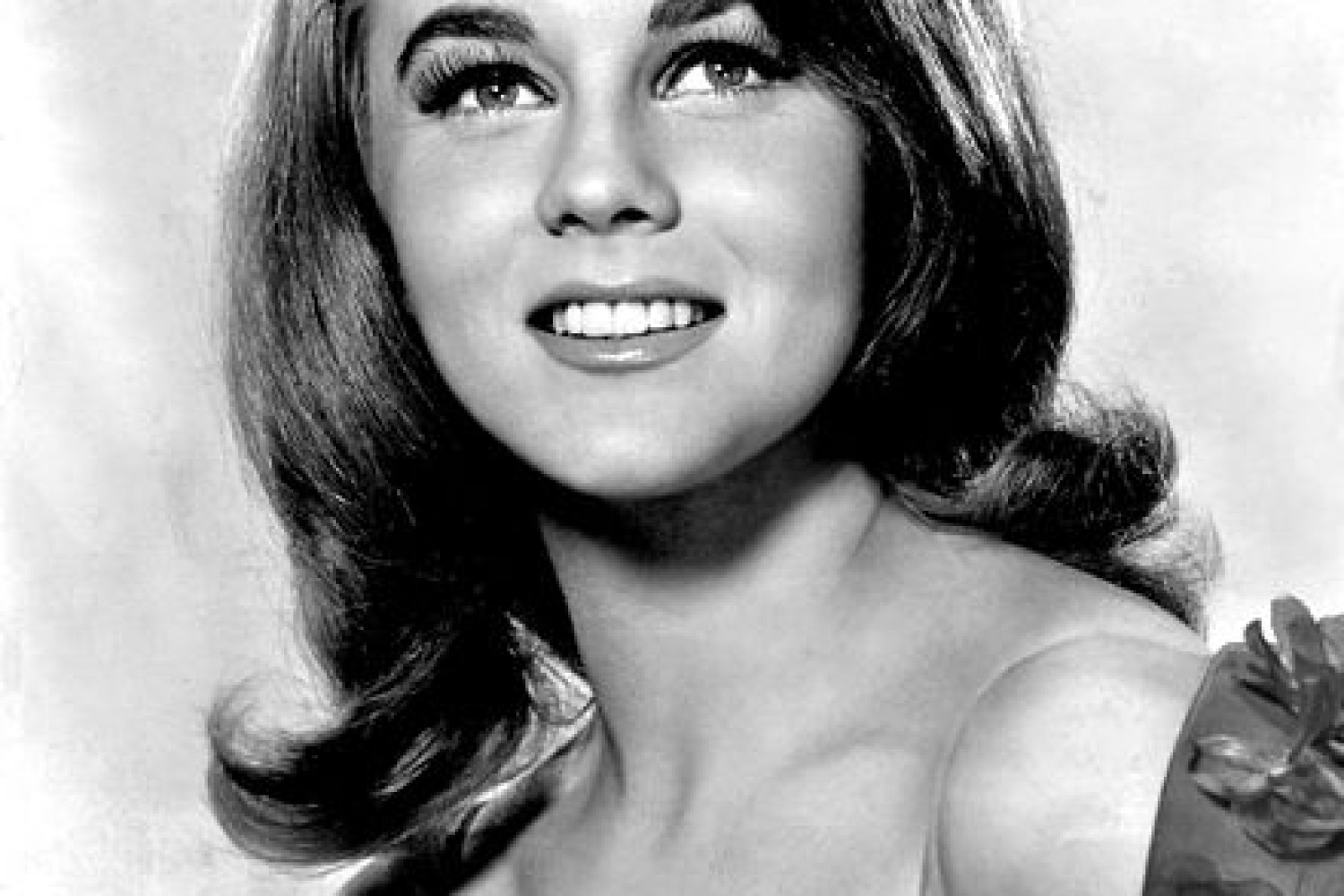
Ann-Margret

Ann-Margret Olsson is a Swedish-American actress, singer and dancer whose professional name is Ann-Margret. She became famous for her starring roles in Bye, Bye Birdie, Viva Las Vegas, The Cincinnati Kid, Carnal Knowledge, and Tommy. Her later career includes character roles in Grumpy Old Men, Any Given Sunday, The Santa Clause 3, and The Break-Up. She has won five Golden Globe Awards and been nominated for two Academy Awards, two Grammy Awards, a Screen Actors Guild Award, and six Emmy Awards. On August 21, 2010, she won her first Emmy Award for her guest appearance on Law & Order: SVU.

Ann-Margret was born in Stockholm, the daughter of Anna and Gustav Olsson, a native of Örnsköldsvik. While young she moved with her parents to Valsjöbyn, Jämtlands län, which she later described as a small town “of lumberjacks and farmers high up near the Arctic Circle”. Her father worked in the United States during his youth and moved there again in 1942, working with the Johnson Electrical Company, while his wife and daughter stayed behind.

Ann-Margret and her mother moved to the United States in November 1946, and her father took her to Radio City Music Hall on the day they arrived. They settled just outside of Chicago in Wilmette, Illinois. She became a naturalized citizen of the United States in 1949 and took her first dance lessons at the Marjorie Young School of Dance, showing natural ability from the start, easily mimicking all the steps. Her parents were supportive and her mother handmade all her costumes. Ann-Margret’s mother was a funeral parlor receptionist after her husband suffered a severe injury on his job. While a teenager, Ann-Margret appeared on the Morris B. Sachs Amateur Hour, Don McNeill’s Breakfast Club and Ted Mack’s Amateur Hour.

Through high school, where she graduated from New Trier High School in Winnetka, Illinois, she continued to star in theatricals and she attended Northwestern University, where she was a member of the sorority Kappa Alpha Theta but did not graduate. As part of a group known as the “Suttletones,” they performed at the Mist, a Chicago nightclub, and went to Las Vegas for a promised club date which fell through after they arrived. They plugged ahead to Los Angeles and, through agent Georgia Lund, secured club dates in Newport Beach and Reno, where Ann-Margret had a chance encounter with Marilyn Monroe, who was on location for The Misfits. Monroe noticed the striking girl in a crowd of onlookers, then chatted privately with her, offering her encouragement.

Anna Lee

Anna Lee, MBE, born Joan Boniface Winnifrith, was an English actress.

Lee studied at the Royal Albert Hall, then debuted in 1932 with a bit part in the film His Lordship. When she and her first husband, director Robert Stevenson, moved to Hollywood she became associated with John Ford, appearing in several of his movies, notably How Green Was My Valley, Two Rode Together and Fort Apache. She was also a member of the Val Lewton stock company, appearing in his classic 1946 film Bedlam. She had a lead role opposite Brian Donlevy and Walter Brennan in Fritz Lang’s Hangmen Also Die!, a wartime thriller about the assassination of Reinhard Heydrich.

Lee made frequent appearances on television anthology series in the 1940s and 1950s, including Robert Montgomery Presents, The Ford Theatre Hour, Kraft Television Theatre, Armstrong Circle Theatre and Wagon Train.

She had a small, but memorable, role as Sister Margaretta in The Sound of Music. Sister Margaretta was a supporter of Maria in the abbey and was one of the two nuns who thwarted the Nazis by removing car engine parts, allowing the Von Trapps to escape. Lee also appeared in the 1962 camp classic What Ever Happened to Baby Jane? as next-door neighbor Mrs. Bates alongside Joan Crawford and Bette Davis. In 1994, she took the leading role of the feature film What Can I Do?, directed by Wheeler Winston Dixon.

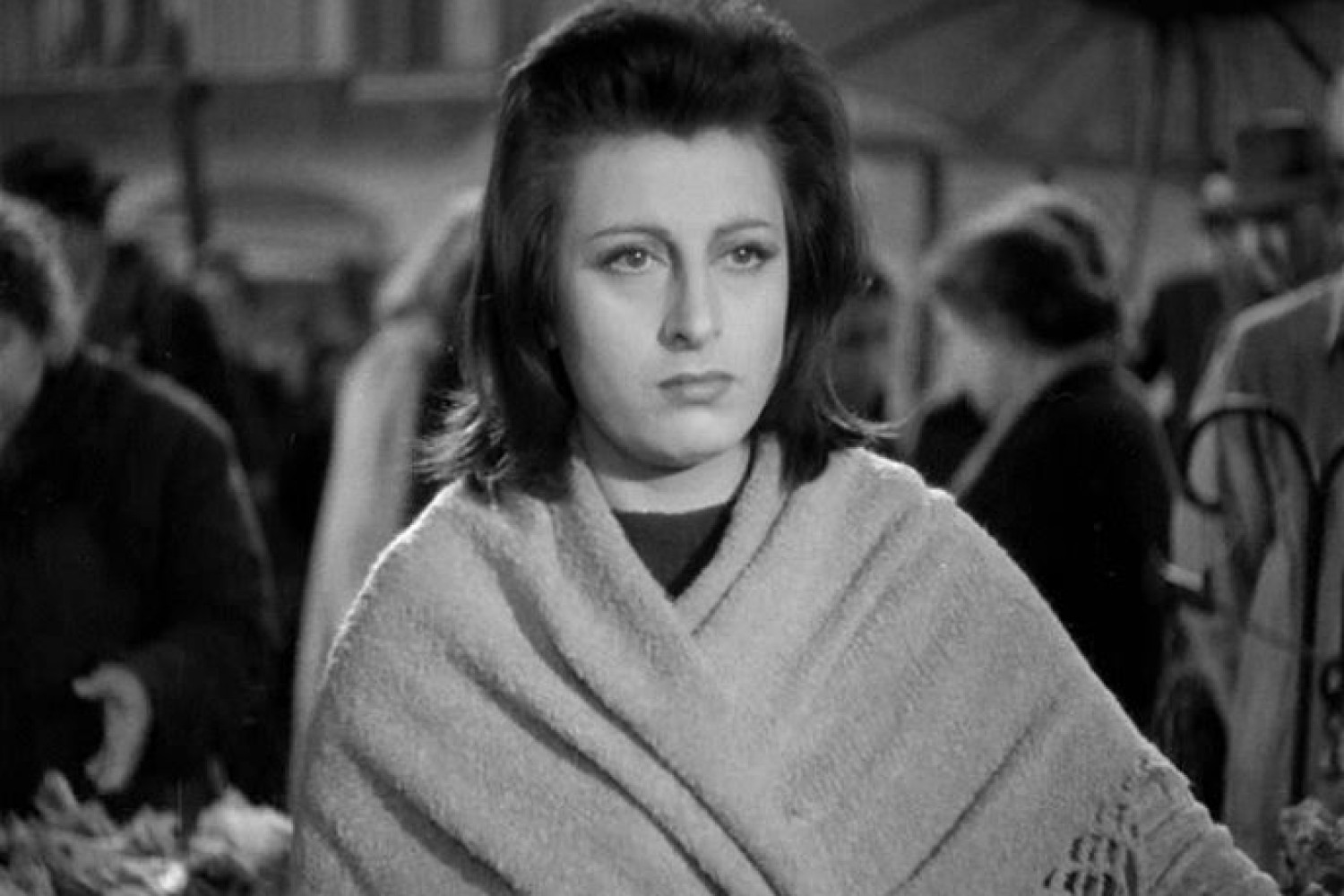
Anna Magnani

Anna Magnani was an Italian stage and film actress. She won the Academy Award for Best Actress, along with four other international awards, for her portrayal of a Sicilian widow in The Rose Tattoo. Born in Rome to an Egyptian father and an Italian-Jewish mother, she worked her way through Rome’s Academy of Dramatic Art by singing at night clubs. During her career, her only child was stricken by Polio when he was 18 months old and remained crippled.

She was referred to as “La Lupa,” the “perennial toast of Rome” and a “living she-wolf symbol” of the cinema. Time magazine described her personality as “fiery,” and drama critic Harold Clurman said her acting was “volcanic.” In the realm of Italian cinema, she was “passionate, fearless, and exciting,” an actress that film historian Barry Monush calls “the volcanic earth mother of all Italian cinema.” Director Roberto Rossellini called her “the greatest acting genius since Eleonora Duse. Playwright Tennessee Williams became an admirer of her acting and wrote The Rose Tattoo specifically for her to star in, a role for which she received her first Oscar in 1955.

After meeting director Goffredo Alessandrini she received her first screen role in La Cieca di Sorrento and later achieved international fame in Rossellini’s Rome, Open City, considered the first significant movie to launch the Italian neorealism movement in cinema. As an actress she became recognized for her dynamic and forceful portrayals of “earthy lower-class women” in such films as The Miracle, Bellissima, The Rose Tattoo, The Fugitive Kind, with Marlon Brando and directed by Sidney Lumet, and Mamma Roma. As early as 1950, Life magazine had already stated that Magnani was “one of the most impressive actresses since Garbo.”

Magnani was born in Rome, Italy to a Calabrese father, Francesco Del Duce, and a Roman mother, Marina Magnani. She was raised by her maternal grandmother in a slum district of Rome. Her formal education lasted only until age 14, when she enrolled in a French convent school in Rome. There, she learned to speak French and play piano, which she later played expertly. She also developed a passion for acting from watching the nuns stage their Christmas play.

Anna May Wong

Anna May Wong was an American actress, the first Chinese American movie star, and the first Asian American to become an international star. Her long and varied career spanned both silent and sound film, television, stage, and radio.

Born near the Chinatown neighborhood of Los Angeles to second-generation Chinese-American parents, Wong became infatuated with the movies and began acting in films at an early age. During the silent film era, she acted in The Toll of the Sea, one of the first movies made in color and Douglas Fairbanks’ The Thief of Bagdad. Wong became a fashion icon, and by 1924 had achieved international stardom.

Frustrated by the stereotypical supporting roles she reluctantly played in Hollywood, she left for Europe in the late 1920s, where she starred in several notable plays and films, among them Piccadilly. She spent the first half of the 1930s traveling between the United States and Europe for film and stage work. Wong was featured in films of the early sound era, such as Daughter of the Dragon and Daughter of Shanghai, and with Marlene Dietrich in Josef von Sternberg’s Shanghai Express .

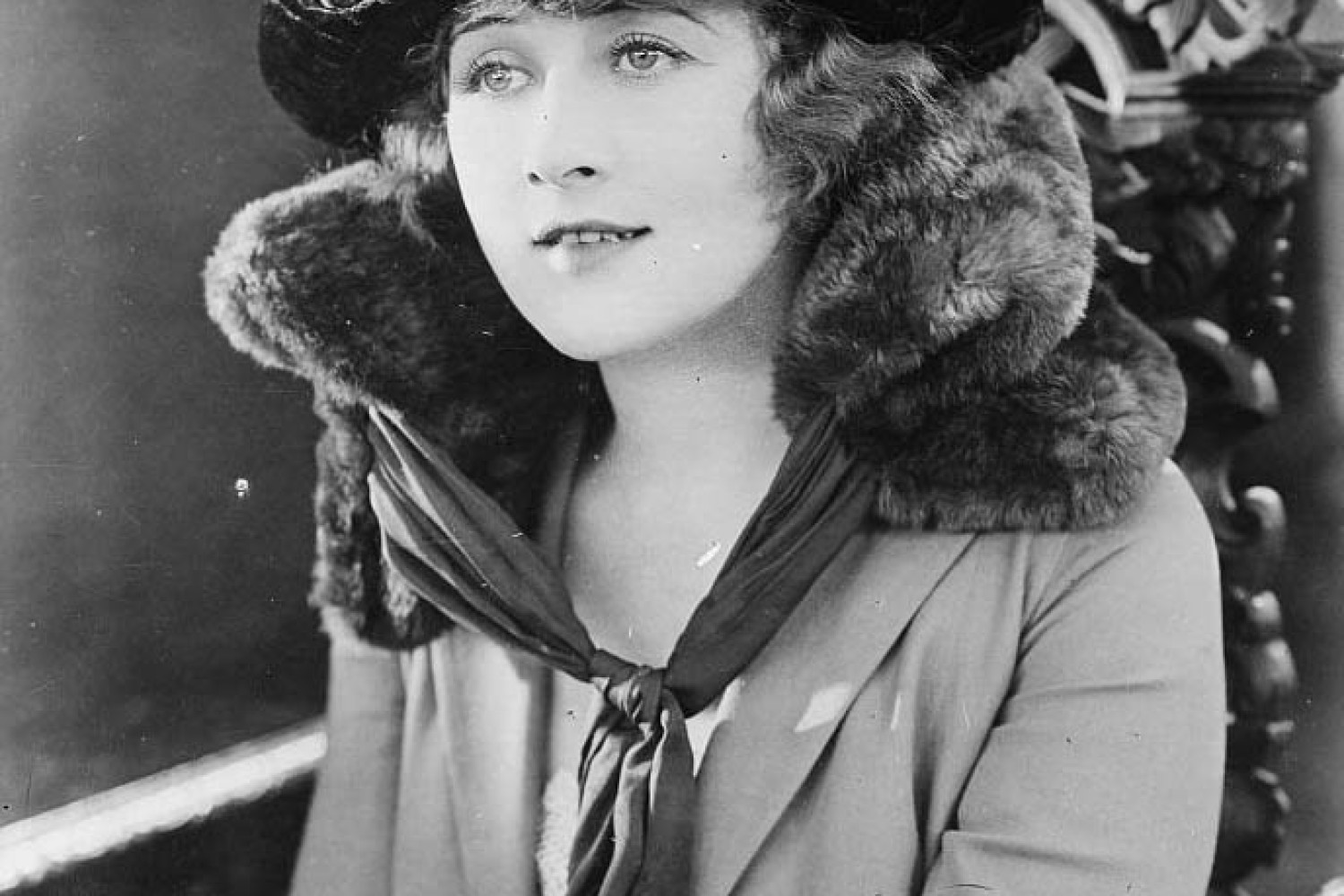
Anna Q. Nilsson

Anna Quirentia Nilsson was a Swedish born American actress who achieved success in American silent movies.

Anna Q. Nilsson was born in Ystad, Skåne County, Sweden in 1888. Her middle name, “Quirentia ” is derived from her date of birth, March 30 Saint Quirinius’ Day. At the age of 8 her father got a job at the local sugar factory in Hasslarp, a small community outside Helsingborg in Sweden where she spent most of her school years. She did very well in school, graduating with highest marks. Due to her good grades she was hired as sales clerk in Halmstad on the Swedish west coast, unusual for a young woman from a worker’s family at the time. But she had set her mind on going to America.

In 1905, she emigrated to the United States through Ellis Island. In the new country, the Swedish teenager started working as a nursemaid and learned English quickly. Soon she started working as a model. Already in 1907, she was named “Most beautiful woman in America”. Penrhyn Stanlaws, one of the most successful and sought after cover artists of his day, picked Anna Q. Nilsson to become one of his models.

Nilsson’s modeling led her to getting a role in the 1911 film Molly Pitcher. Films of special note for Anna were Seven Keys to Baldpate, Soldiers of Fortune, The Toll Gate and The Luck of the Irish, and The Lotus Eater .

Anne Bancroft

Anne Bancroft was an American actress associated with the Method acting school, after studying it under Lee Strasberg.

She made her film debut in Don’t Bother to Knock with Marilyn Monroe and worked as a contract player in several films before returning to her native New York and appearing in several Broadway plays. She later won an Academy Award for Best Actress for her performance in The Miracle Worker, and received subsequent nominations for her roles in The Pumpkin Eater, The Graduate, The Turning Point, and Agnes of God. Later in her career, she played character roles in many theatrical films such as Honeymoon in Vegas, G.I. Jane, Great Expectations, Antz, and Heartbreakers. She also starred in several television productions, including The Roman Spring of Mrs. Stone for which she received Emmy and Screen Actors Guild Award nominations.

Bancroft died of uterine cancer, age 73, in 2005. Among her survivors was her husband of 40 years, Mel Brooks, and their son Maximillian Brooks.

Bancroft was born Anna Maria Louisa Italiano in The Bronx, New York, the daughter of Mildred, a telephone operator, and Michael Italiano, a dress pattern maker. Her parents were both children of Italian immigrants. She was brought up as a Roman Catholic. Bancroft graduated from Christopher Columbus High School in the Bronx in 1948, and attended HB Studio, the American Academy of Dramatic Arts, the Actors Studio, and the American Film Institute’s Directing Workshop for Women at the University of California, Los Angeles. After appearing in a number of live television dramas under the name Anne Marno, she was told to change her surname for her film debut in Don’t Bother to Knock.

Anne Baxter

Anne Baxter was an American actress known for her performances in films such as The Magnificent Ambersons, All About Eve, The Razor’s Edge and The Ten Commandments. Baxter was born in Michigan City, Indiana to Kenneth Stuart Baxter and Catherine Wright; her maternal grandfather was the architect Frank Lloyd Wright. Baxter’s father was a prominent executive with the Seagrams Distillery Co. and she was raised in New York City in a well-to-do home, and attended the prestigious Brearley School. At age 10, Baxter attended a Broadway play starring Helen Hayes, and was so impressed that she declared to her family that she wanted to become an actress. By the age of 13, she had appeared on Broadway. During this period, Baxter learned her acting craft as a student of the famed teacher Maria Ouspenskaya.

At 16 Baxter screen-tested for the role of Mrs. DeWinter in Rebecca, losing out to Joan Fontaine because director Alfred Hitchcock considered her “too young” for the role, but the strength of that first foray into movie acting secured her a seven-year contract with 20th Century Fox. Her first movie role was in 20 Mule Team in 1940. She was chosen by director Orson Welles to appear in The Magnificent Ambersons, based on the novel by Booth Tarkington. Baxter co-starred with Tyrone Power and Gene Tierney in 1946’s The Razor’s Edge, for which she won the Academy Award for Best Supporting Actress.

In 1950, she was chosen to co-star in All About Eve, largely because of a resemblance to Claudette Colbert, who had initially been chosen to co-star in the film; the original idea being to have her character gradually come to visually mirror Colbert’s over the course of the film. Baxter received a nomination for Best Actress for the title role of Eve Harrington. Later during that decade, Baxter also continued to act in professional theater. According to a program from the production, Baxter appeared on Broadway in 1953 opposite Tyrone Power in Charles Laughton’s John Brown’s Body, a play based upon the narrative poem by Stephen Vincent Benét. In 1953 she appeared opposite Montgomery Clift in Alfred Hitchcock’s I Confess.