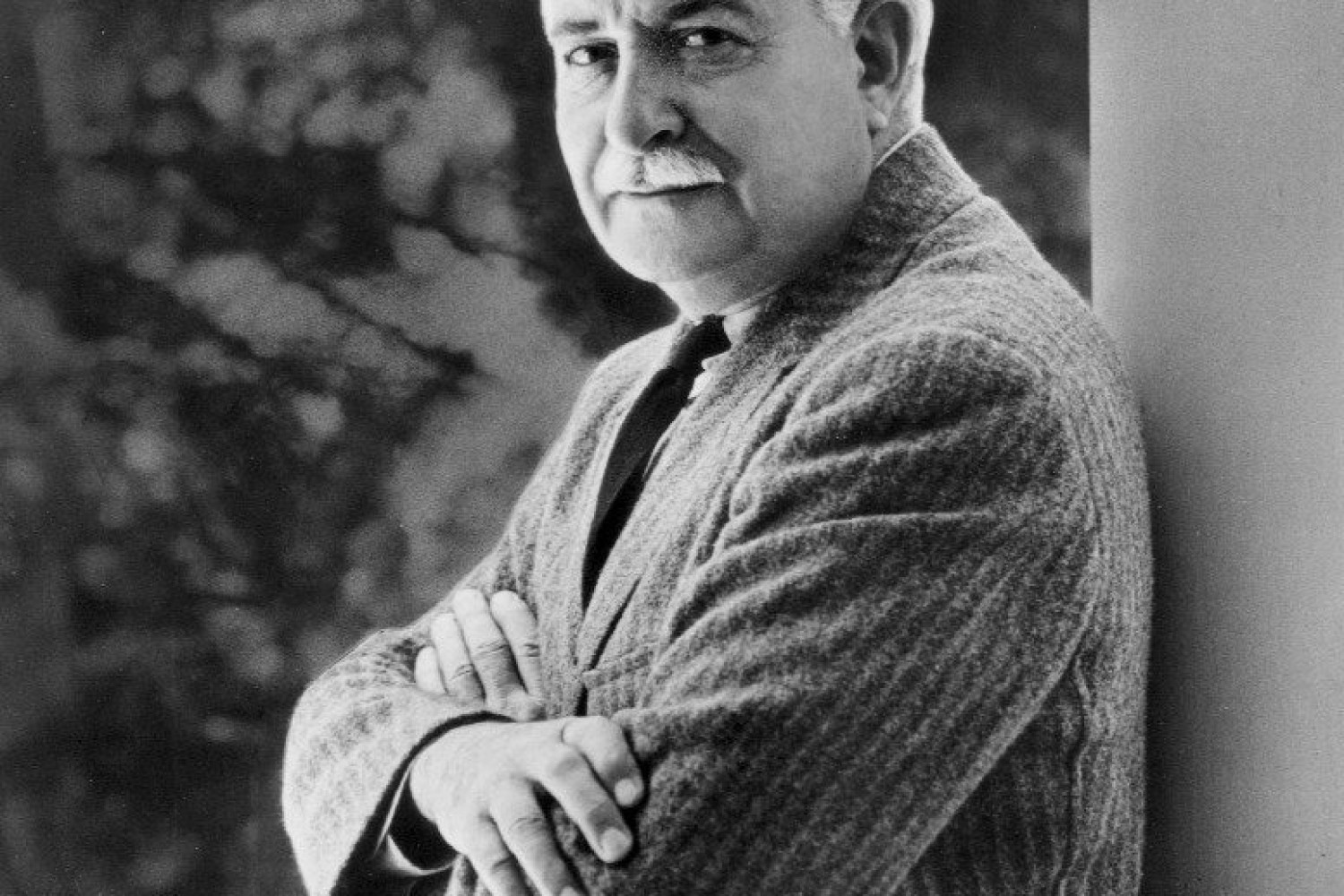
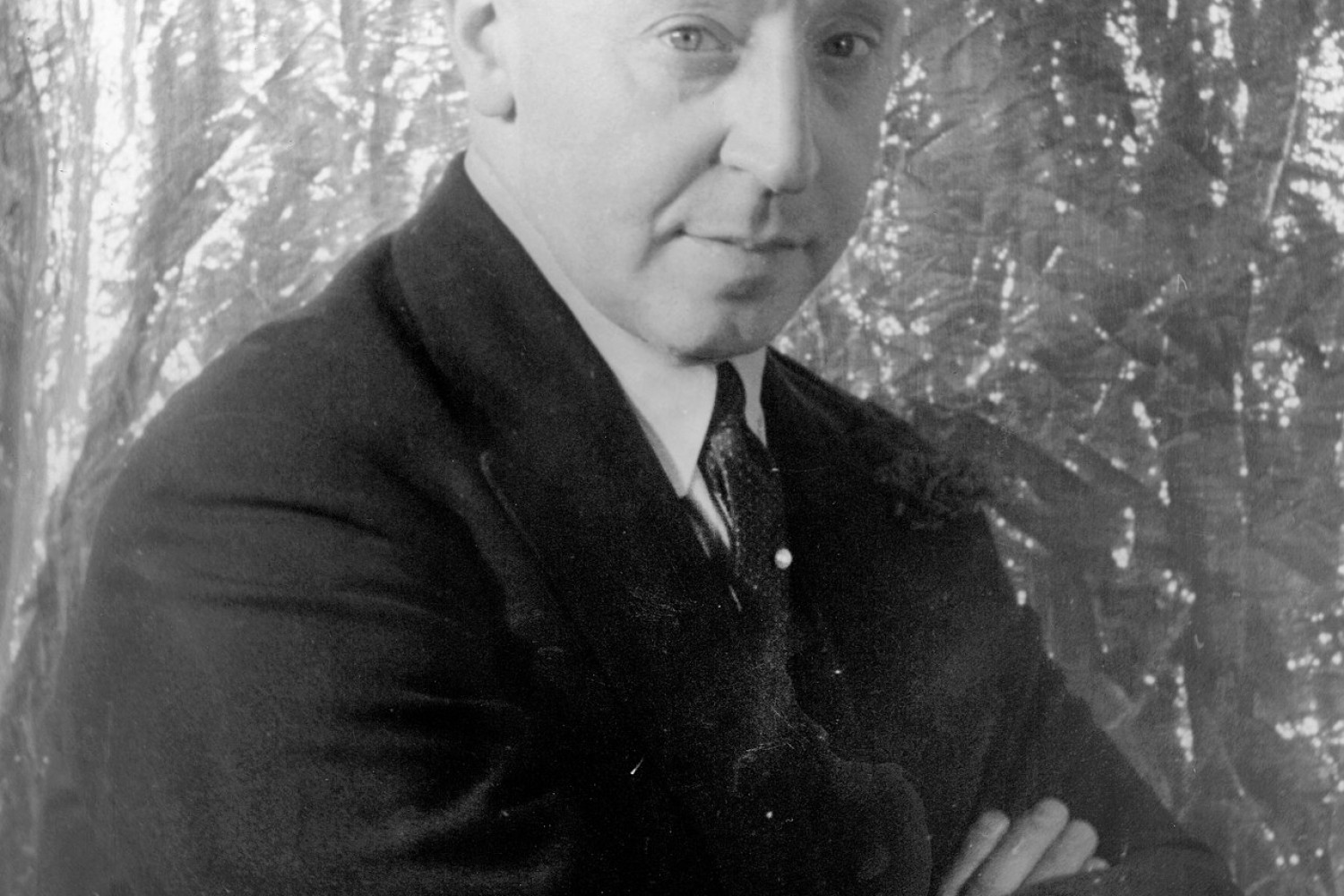
Arthur Rubinstein

Arthur Rubinstein KBE was a Polish-American pianist. He received international acclaim for his performances of the music of a variety of composers. He is widely considered one of the greatest pianists of the twentieth century.

Rubinstein was born in ?ód?, Poland on January 28, 1887, to a Jewish family. He was the youngest of 8 children. His father was a wealthy factory owner.

At the age of two, he demonstrated perfect pitch and a fascination with the piano, watching his elder sister’s piano lessons. By the age of four, he was already recognised as a child prodigy. The great Hungarian violinist Joseph Joachim, on hearing the four-year-old child play, was greatly impressed and began to mentor the young prodigy. Rubinstein first studied piano in Warsaw. By the age of ten, Rubinstein moved to Berlin to continue his studies. In 1900 at age 13, he made his debut with the Berlin Philharmonic, followed by appearances in Germany and Poland and further study with Karl Heinrich Barth. In 1904, Rubinstein moved to Paris to launch his career in earnest. There he met the composers Maurice Ravel and Paul Dukas and the violinist Jacques Thibaud. He also played Camille Saint-Saëns’ Piano Concerto No. 2 in the presence of the composer. Through the family of Juliusz Wertheim he formed friendships with the violinist Paul Kochanski and composer Karol Szymanowski.
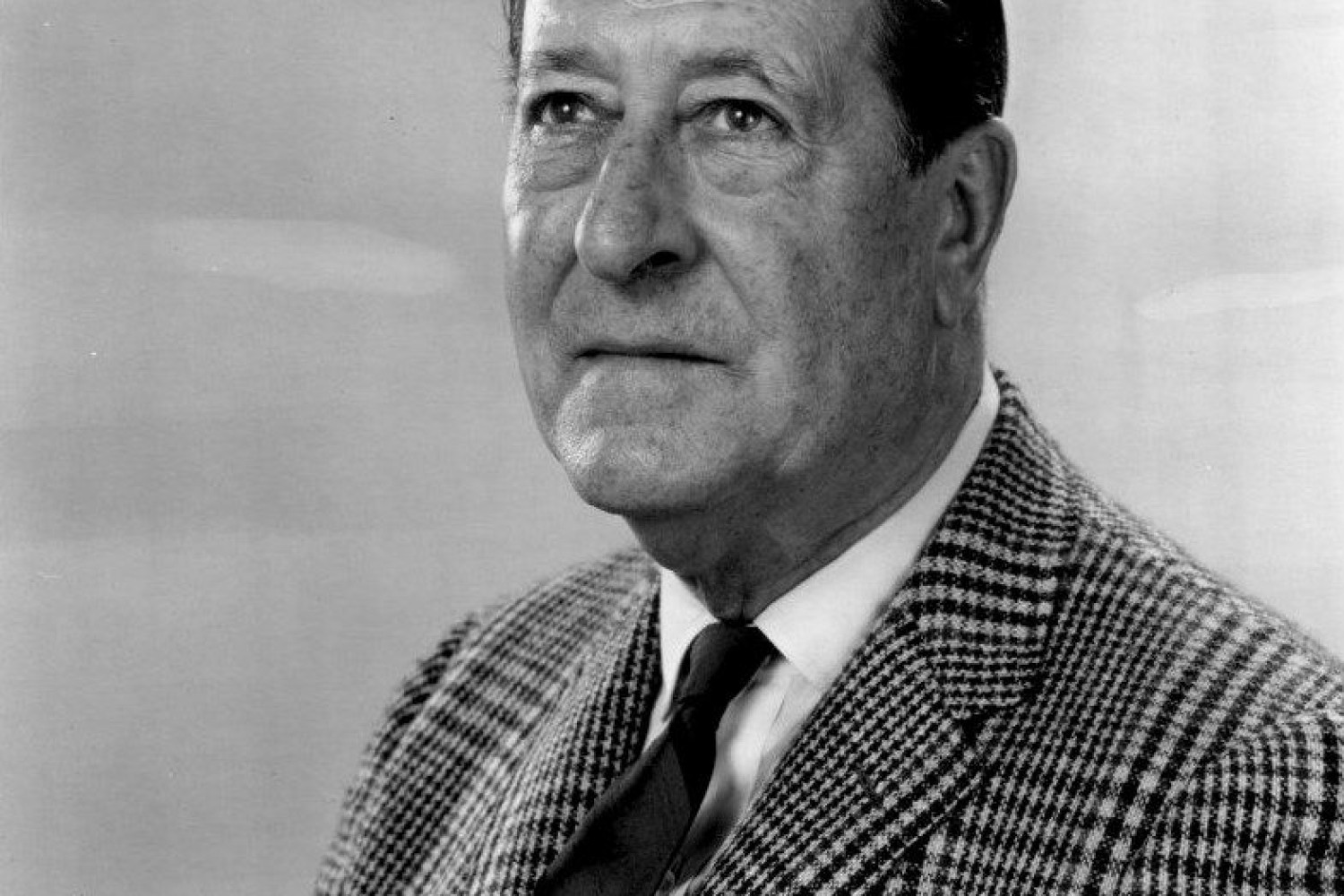
Arthur Spiegel

Arthur Spiegel was the Chicago mail-order magnate and early American film studio executive. He started in the film business as the partner of Lewis J. Selznick. He was President of the Spiegel, May, Stern Company the producers of the Spiegel Catalog.

Arthur Spiegel provided the investment backing to Lewis J. Selznick to start Equitable. In 1914, Spiegel again invested in Selznick to form World Pictures headquartered in Fort Lee, New Jersey, the first American movie capital. Under Selznick, World Pictures did not thrive and in 1916 it was merged with Equitable at which time Arthur Spiegel was made President and General manager of the new World Pictures.

World Pictures had been created to import foreign-made features and to distribute the movies of several newly-established feature-film companies but later moved beyond distribution to produce films. In the early days of American film, World Pictures was one of the key studios.

Arthur Treacher

Arthur Veary Treacher was an English actor born in Brighton, East Sussex, England.

Treacher was a veteran of World War I. After the war, he established a stage career and in 1928, he went to America as part of a musical-comedy revue called Great Temptations. He was featured in the 1930 Billy Rose production Sweet and Low.

Treacher began his film career in the 1930s, which included roles in four Shirley Temple films: Curly Top, Stowaway, Heidi, and The Little Princess. Scenes intentionally put the six-feet-four Treacher standing or dancing side-by-side with the tiny child actress. Treacher filled the role of the ideal butler, and he portrayed P.G. Wodehouse’s perfect valet character Jeeves in the films Thank You, Jeeves! and Step Lively, Jeeves. He also played a valet or butler in several other films, including Personal Maids, Mister Cinderella, and Bordertown.

In 1964, Treacher played the role of stuffy English butler Arthur Pinkney in two episodes of The Beverly Hillbillies. Pinkney mistakenly believed the hillbillies were the domestic servants of the family he was hired by, while the hillbillies believed Pinkney to be a boarder at their Beverly Hills mansion.

Artie Shaw

Arthur Jacob Arshawsky, better known as Artie Shaw, was an American jazz clarinetist, composer, and bandleader. He is also the author of both fiction and non-fiction writings.

Born Arthur Jacob Arshawsky in New York City, Shaw grew up in New Haven, Connecticut, where, according to his autobiography his natural introversion was deepened by local antisemitism. Shaw began learning the saxophone when he was 13 years old, and by the age of 16, he switched to the clarinet and left home to tour with a band. Returning to New York, he became a session musician through the early 1930s. From 1925 until 1936, Shaw performed with many bands and orchestras, including those of Johnny Caverello and Austin Wylie. In 1929 and 1930 he played with Irving Aaronson’s Commanders, where he was exposed to symphonic music, which he would later incorporate in his arrangements.

Shaw first gained critical acclaim with his “Interlude in B-flat” at a swing concert at the Imperial Theater in New York in 1935. During the swing era, Shaw’s big band was popular with hits like “Begin the Beguine”, “Stardust”, “Back Bay Shuffle”, “Moonglow”, “Rosalie” and “Frenesi”. He was an innovator in the big band idiom, using unusual instrumentation; “Interlude in B-flat”, where he was backed with only a rhythm section and a string quartet, was one of the earliest examples of what would be later dubbed third stream.

In addition to hiring Buddy Rich, he signed Billie Holiday as his band’s vocalist in 1938, becoming the first white bandleader to hire a full-time black female singer to tour the segregated Southern US. However, after recording “Any Old Time” she left the band due to hostility from audiences in the South, as well as from music company executives who wanted a more “mainstream” singer. His band became enormously successful, and his playing was eventually recognized as equal to that of Benny Goodman: longtime Duke Ellington clarinetist Barney Bigard cited Shaw as his favorite clarinet player. In response to Goodman’s nickname, the “King of Swing”, Shaw’s fans dubbed him the “King of the Clarinet.” Shaw, however, felt the titles were reversed. “Benny Goodman played clarinet. I played music,” he said.

C. Aubrey Smith

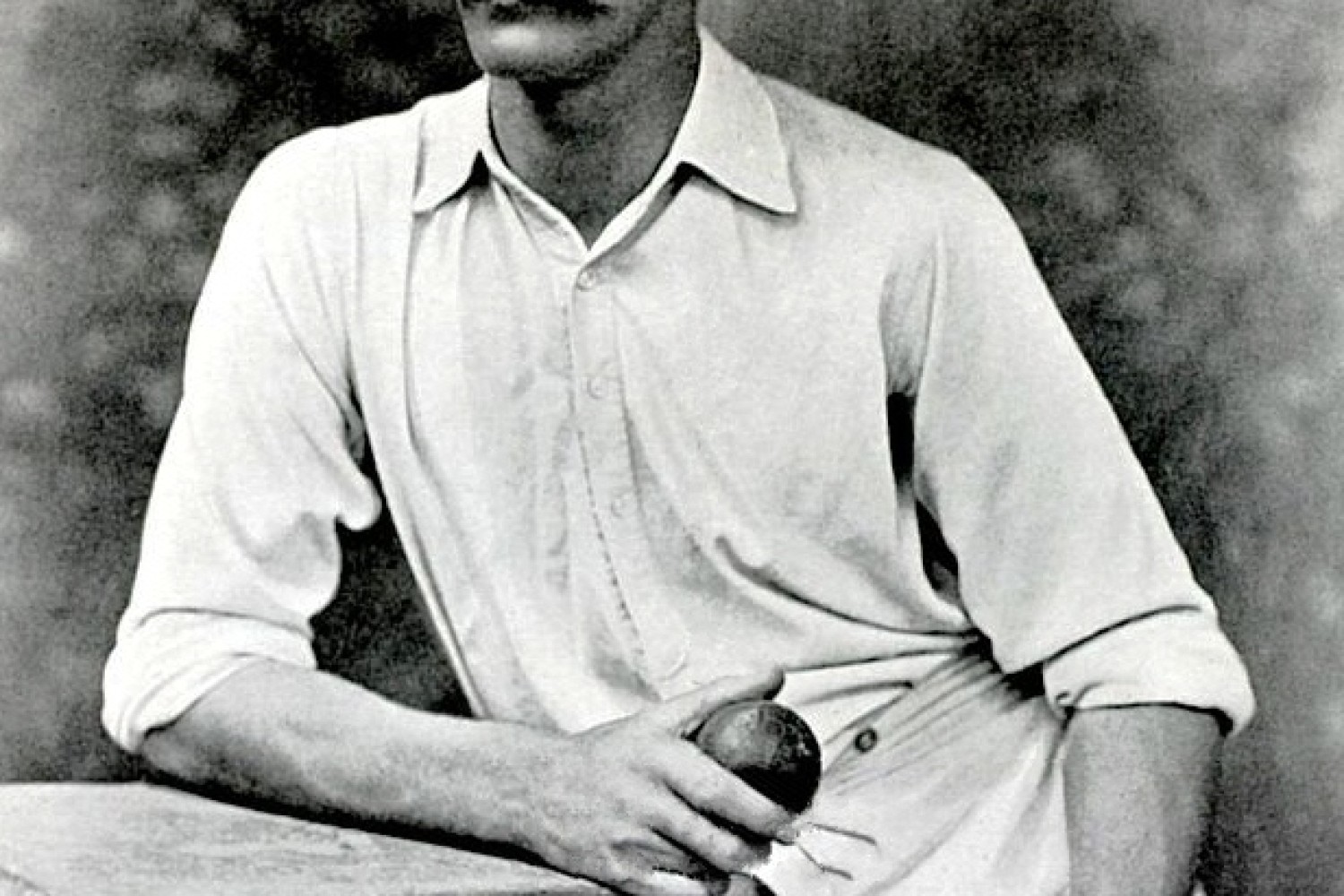
Sir Charles Aubrey Smith, CBE, known to movie-goers as C. Aubrey Smith, was an English cricketer and actor. He was knighted in 1944 for services to the theatre.

Smith was born in London, England and educated at Charterhouse School and St John’s College, Cambridge. He settled in South Africa to prospect for gold in 1888-89. While there he developed pneumonia and was wrongly pronounced dead by doctors. He married Isabella Wood in 1896.

As a cricketer, Smith was primarily a seam bowler, though he was also a useful lower-order batsman and slip fielder. His oddly curved bowling run-up gave him the nickname “Round the Corner Smith”. W. G. Grace commented that “it is rather startling when he suddenly appears at the bowling crease”. He played for Cambridge University 1882-85 and for Sussex at various times between 1882 and 1892. While in South Africa he captained the Johannesburg English XI. He captained England to victory in his only Test match, against South Africa at Port Elizabeth in 1888-89, taking five wickets for 19 runs in the first innings. In 1932 he founded the Hollywood Cricket Club and created a pitch with imported English grass. He attracted fellow expats such as David Niven, Laurence Olivier, Leslie Howard and Boris Karloff to the club as well as local American players.

Smith’s stereotypical Englishness spawned several amusing anecdotes: while fielding at slip for the Hollywood Club, he dropped a difficult catch and ordered his English butler to fetch his spectacles; they were brought on to the field on a silver platter. The next ball looped gently to slip, to present the kind of catch that “a child would take at midnight with no moon”. Smith dropped it and, snatching off his lenses, commented, “Damned fool brought my reading glasses”. Decades after his cricket career had ended, when he had long been a famous face in films, Smith was spotted in the pavilion on a visit to Lord’s. “That man over there seems familiar”, remarked one member to another. “Yes”, said the second, seemingly oblivious to his Hollywood fame, “Chap called Smith. Used to play for Sussex.”

Audie Murphy

Audie Leon Murphy was the most decorated American soldier of World War II and a celebrated movie star for over two decades in the post-war era, appearing in 44 films. He also found some success as a country music composer.

Murphy became the most decorated United States soldier of the war during twenty-seven months in action in the European Theatre. He received the Medal of Honor, the U.S. military’s highest award for valor, along with 32 additional U.S. and foreign medals and citations, including five from France and one from Belgium.

Murphy’s successful movie career included To Hell and Back, based on his book of the same title. He also starred in 39 Hollywood films. He died in a plane crash in 1971 and was interred, with full military honors, in Arlington National Cemetery.

Murphy was born in Kingston, Hunt County, Texas, to Emmett Berry Murphy and Josie Bell Killian who was of Irish descent, poor sharecroppers, and grew up on farms between Farmersville and Greenville, as well as near Celeste, Texas. Murphy was the sixth of twelve children, two of whom died prior to reaching adulthood. The Murphy children included, in order: Corinne, Charles Emmett “Buck”, Vernon, June, Oneta, Audie Leon, J.W., Richard, Eugene, Nadine, Billie, and Joseph Murphy. He attended elementary school in Celeste until the fifth grade, at which he dropped out to help support his family after his father abandoned them in 1936. He worked for one dollar per day, plowing and picking cotton on any farm that would hire him. He became very skilled with a rifle, hunting small game to help feed the family. One of his favorite hunting companions was neighbor Dial Henley. When he commented that Murphy never missed when he shot at squirrels, rabbits, and birds, Murphy replied, “Well, Dial, if I don’t hit what I shoot at, my family won’t eat today.” During the late 1930s, Murphy worked at a combination general store/garage and gas station in Greenville, Texas. At fifteen he was working in a radio repair shop, and his mother died on May 23, 1941. Later that year, in agreement with his older sister, Corrinne, Murphy placed his three youngest siblings in an orphanage to ensure their care .

Audrey Hepburn

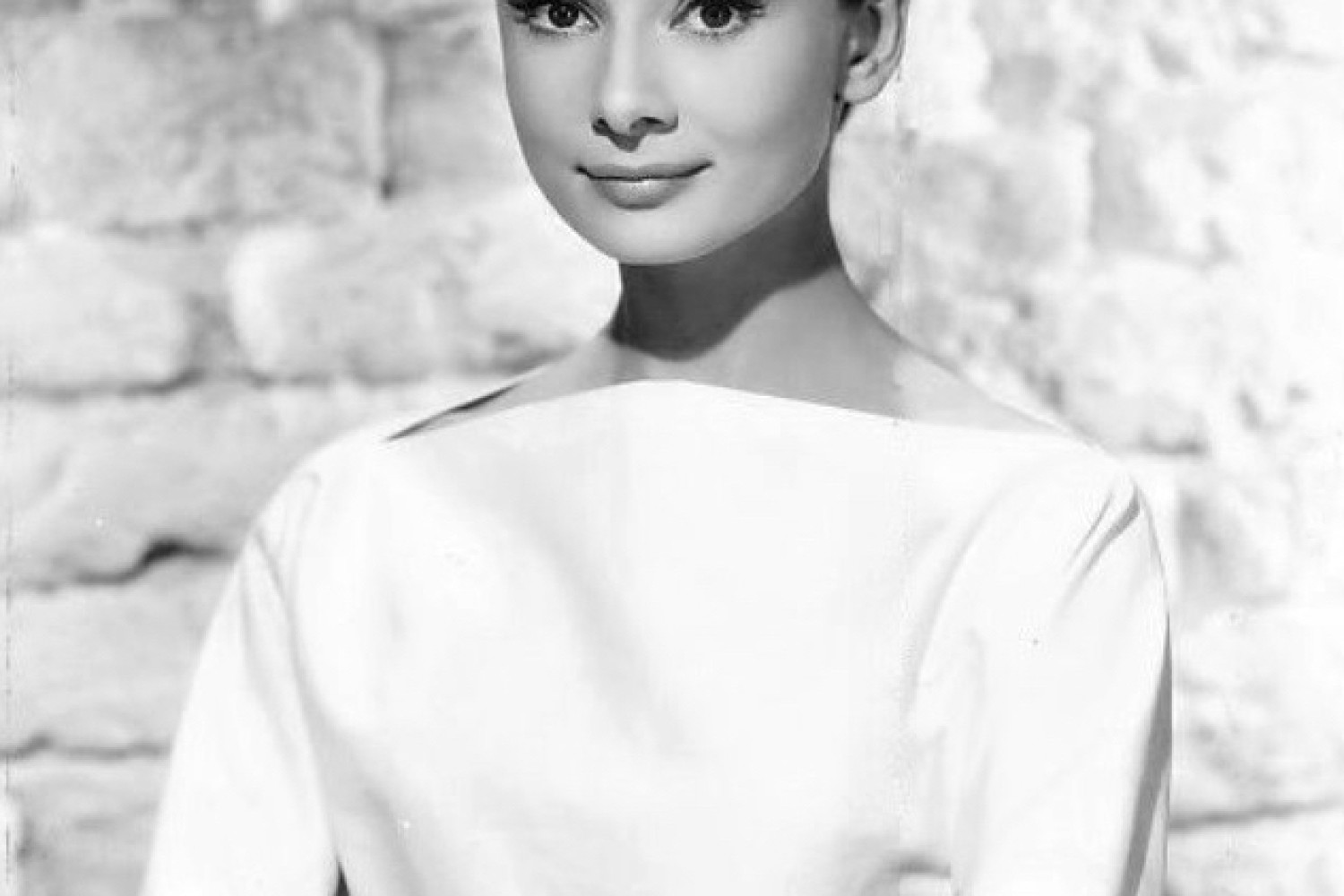
Audrey Hepburn was a British actress and humanitarian.

Born in Ixelles, Belgium as Audrey Kathleen Ruston, Hepburn spent her childhood chiefly in the Netherlands, including German-occupied Arnhem, Netherlands, during the Second World War. She studied ballet in Arnhem and then moved to London in 1948, where she continued to train in ballet and worked as a photographer’s model. She appeared in several European films before starring in the 1951 Broadway play Gigi. Hepburn played the lead female role in Roman Holiday, winning an Academy Award, a Golden Globe and a BAFTA for her performance. She also won a Tony Award for her performance in Ondine. She was also a member of the International Best Dressed List since 1961.

Hepburn became one of the most successful film actresses in the world and performed with notable leading men such as Gregory Peck, Rex Harrison, Humphrey Bogart, Gary Cooper, Cary Grant, Henry Fonda, William Holden, Fred Astaire, Peter O’Toole, and Albert Finney. She won BAFTA Awards for her performances in The Nun’s Story and Charade, and received Academy Award nominations for Sabrina, The Nun’s Story, Breakfast at Tiffany’s and Wait Until Dark. She starred as Eliza Doolittle in the film version of My Fair Lady, becoming only the third actor to receive $1,000,000 for a film role. From 1968 to 1975 she took a break from film-making to spend more time with her two sons. In 1976 she starred with Sean Connery in Robin and Marian. In 1989 she made her last film appearance in Steven Spielberg’s Always.

Audrey Meadows

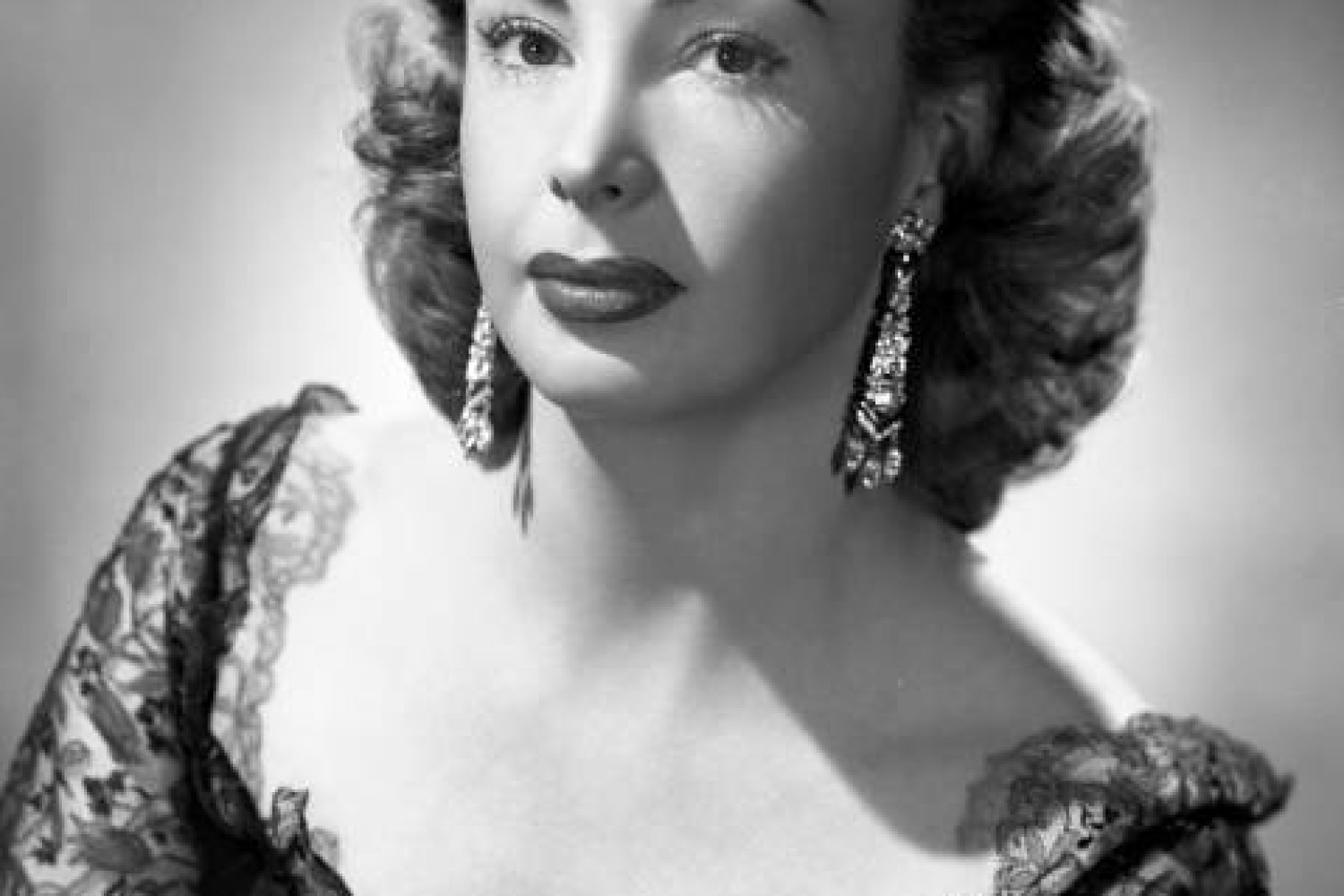
Audrey Meadows was an American actress best known for her role as the deadpan housewife Alice Kramden on the 1950s American television comedy The Honeymooners.

Born as Audrey Cotter in Wu-ch’ang, China, the youngest of four children, her parents, the Rev Francis James Meadows Cotter and his wife, the former Ida Miller Taylor were Episcopal missionaries. She is the younger sister of actress Jayne Meadows.

Meadows’ family returned from China to their home in Sharon, Connecticut in the 1920s. After high school, she moved to New York City and became a singer in the Broadway show Top Banana before becoming a regular on the Bob and Ray Show. She was then hired to play Alice on The Jackie Gleason Show after the original Alice, Pert Kelton, who originated the role, left the show. When The Honeymooners became a half-hour situation comedy on CBS, Meadows continued in the role. She then returned to play Alice after a long hiatus, when Gleason produced occasional Honeymooners specials in the 1970s. Meadows had auditioned for Gleason and was initially turned down for being too chic and pretty for Alice. Meadows submitted a photo of herself looking plain and drab the next day and won the role.

Meadows appeared in a number of films, worked with Dean Martin on his television variety shows and celebrity roasts, and then returned to situation comedy in the 1980s playing the mother-in-law on Too Close for Comfort. She guest-starred on The Red Skelton Show show and made an appearance in an episode of The Simpsons, wherein she voiced the role of Bea Simmons, Grandpa Simpsons’ girlfriend. Her last work was on the sitcom Dave’s World, in which she played Kenny’s mother.

Auguste Lumière

The Lumière brothers, Auguste Marie Louis Nicolas and Louis Jean, were among the earliest filmmakers in history.

The Lumière brothers were born in Besançon, France, in 1862 and 1864, and moved to Lyon in 1870, where both attended La Martiniere, the largest technical school in Lyon. Their father, Claude-Antoine Lumière, ran a photographic firm and both brothers worked for him: Louis as a physicist and Auguste as a manager. Louis had made some improvements to the still-photograph process, the most notable being the dry-plate process, which was a major step towards moving images.

It was not until their father retired in 1892 that the brothers began to create moving pictures. They patented a number of significant processes leading up to their film camera – most notably film perforations as a means of advancing the film through the camera and projector. The cinématographe itself was patented on 13 February 1895 and the first footage ever to be recorded using it was recorded on March 19 1895. This first film shows workers leaving the Lumière factory.

The Lumières held their first private screening of projected motion pictures in 1895. Their first public screening of films at which admission was charged was held on December 28, 1895, at Salon Indien du Grand Café in Paris. This history-making presentation featured ten short films, including their first film, Sortie des Usines Lumière à Lyon. Each film is 17 meters long, which, when hand cranked through a projector, runs approximately 50 seconds.

Arthur Fiedler

Arthur Fiedler was a long-time conductor of the Boston Pops Orchestra, a symphony orchestra that specializes in popular and light classical music. With a combination of musicianship and showmanship, he made the Boston Pops one of the best-known orchestras in the country. Some people criticized him for over-popularizing music, particularly when adapting popular songs or edited portions of the classical repertoire, but Fiedler kept performances informal and sometimes self-mocking to attract more customers.

Fiedler was born in Boston, Massachusetts. His father was an Austrian-born violinist who played in the Boston Symphony Orchestra, and his mother was a pianist and musician. He grew up in Boston, and attended Boston Latin School until his father retired and they returned to Austria. During 1909, his father took him to Berlin to study violin with Willy Hess. Fiedler returned to Boston at the beginning of World War I. During 1915 he joined the Boston Symphony Orchestra under Karl Muck as a violinist. He also worked as a pianist, organist, and percussionist.

During 1924, Fiedler formed the Boston Sinfonietta, a chamber music orchestra composed of Boston Symphony members, and started a series of free outdoor concerts.

Fiedler was appointed the eighteenth conductor of the Boston Pops Orchestra during 1930. While the position of conductor of the Boston Pops both prior to and after Fiedler tended to be a phase of a conductor’s career, Fiedler made it his life’s work, having the position for a half-century.